

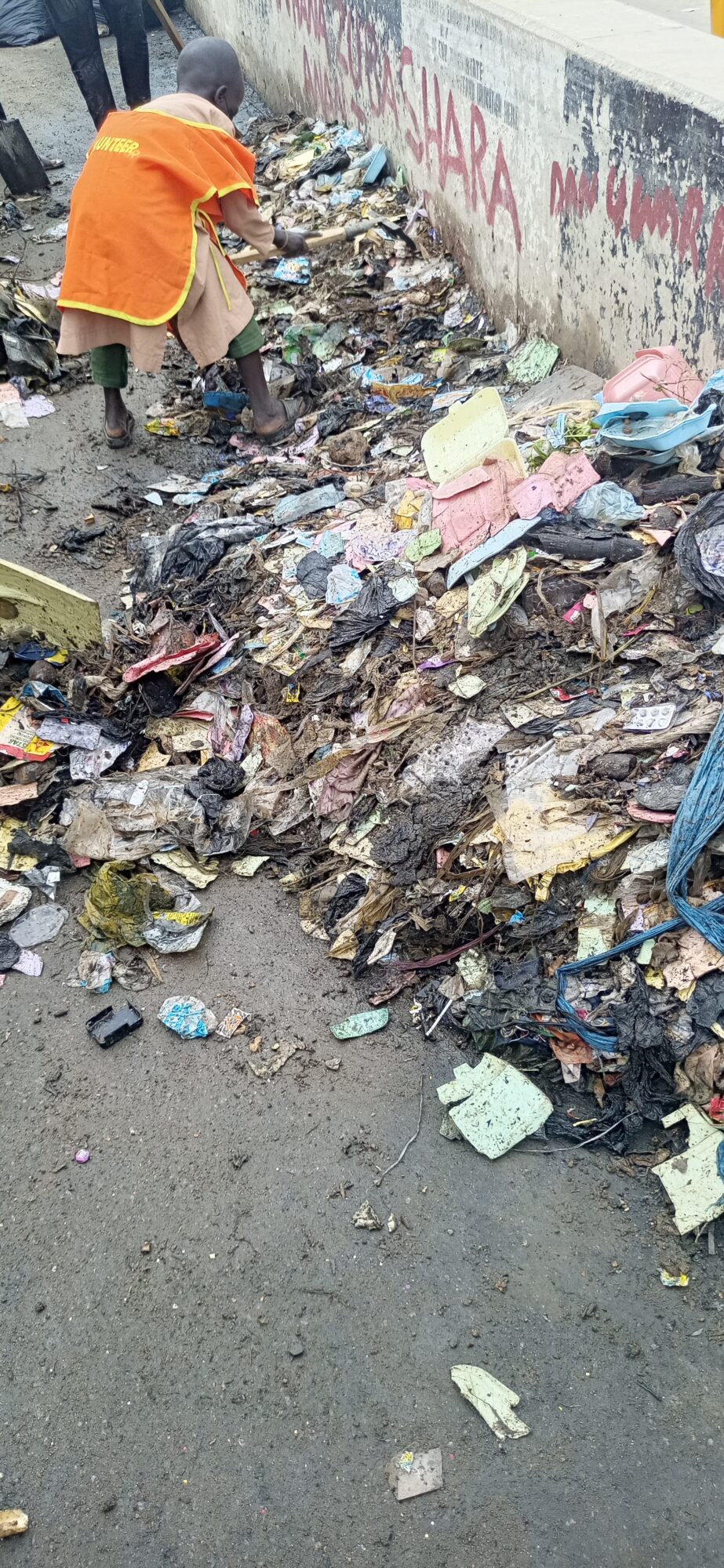
Volunteers in more than 190 countries and territories are expected to take part in World Cleanup Day on 20 September 2026, an annual, UN-recognised day of civic action against litter and mismanaged waste organised by the Estonia-based NGO Let’s Do It World.
A fast-growing global movement
Since the initiative began, its organisers say it has brought together more than 139 million people across 212 countries and territories to clear rubbish from streets, rivers, beaches and forests in a single coordinated day. In 2025, roughly 25 million people took part across 190 countries and territories, according to figures published by the organisers, building on 19.1 million participants recorded in 2023. The event is now listed on the United Nations’ international calendar of observances, marked each year on 20 September.
Let’s Do It World says its longer-term aim is to engage 5% of the global population in a single cleanup, a threshold organisers describe as a tipping point capable of generating sustained change in how communities manage waste. Current turnout represents roughly 1.7% of the world’s population, based on the group’s own figures.
Locally organised, globally coordinated
Unlike a single centrally run event, World Cleanup Day operates as a loose federation of national and local campaigns, each organised by volunteers and civil society groups who register their cleanups with the umbrella organisation. That structure has allowed it to grow quickly in lower-income countries with limited municipal waste collection, where the day often doubles as an awareness campaign about the consequences of open dumping and burning.
Why It Matters
Litter and poorly managed waste remain a significant source of plastic pollution reaching rivers and oceans, particularly in areas without reliable collection services. A single day of volunteer cleanup does not fix underlying waste infrastructure gaps, but organisers and participating local governments increasingly treat it as a visible entry point for longer-term recycling and anti-littering programmes, and as a way of measuring how far the movement still has to go to reach the scale it says is needed for lasting change.



Leave a Reply