

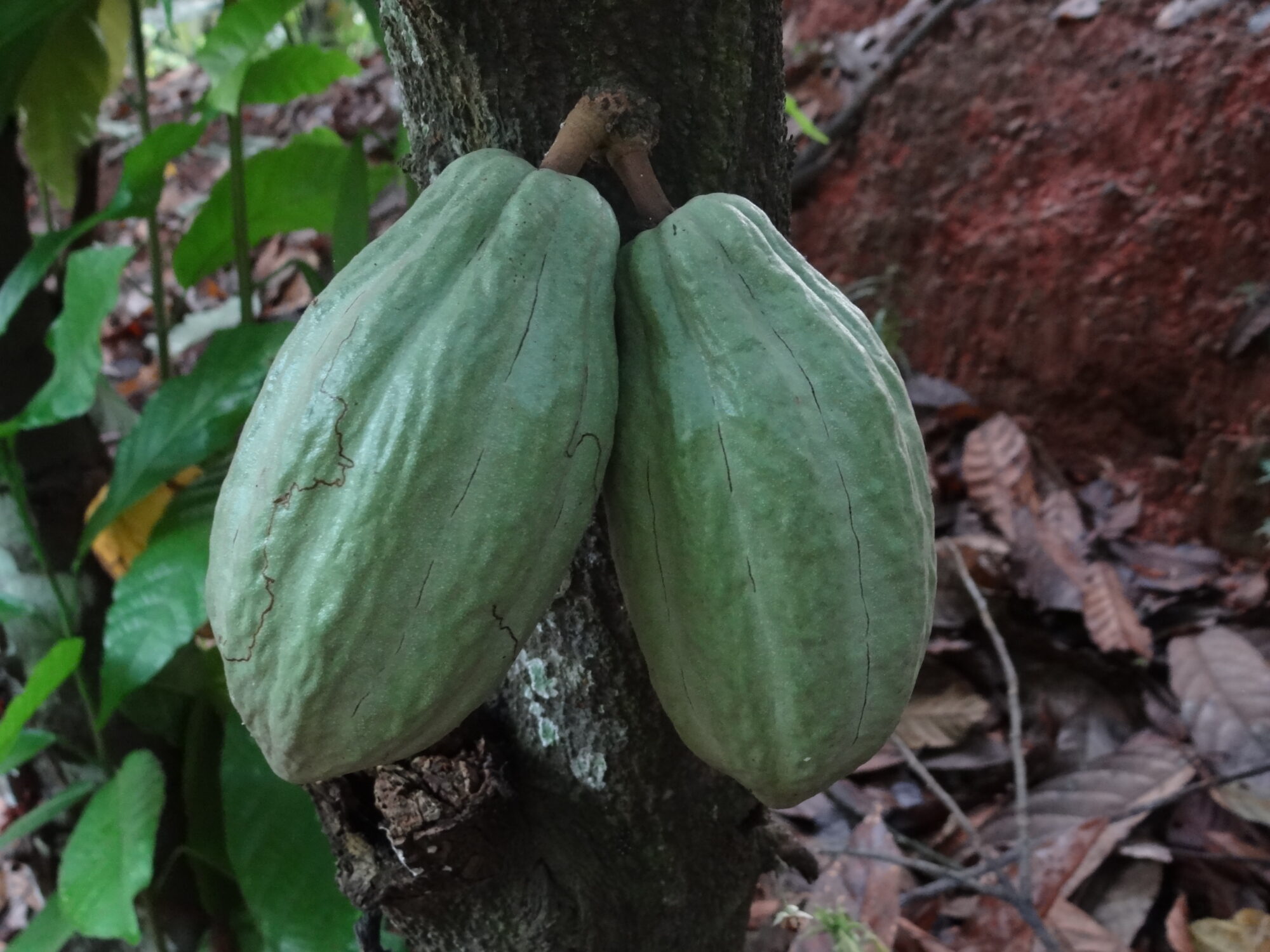
The Fairtrade Foundation opened Fairtrade Fortnight 2026, running from 21 September to 4 October, with the launch of its “Do It Fair” Fair Pay Campaign, calling for living incomes for farmers who grow staples of the UK shopping basket including tea, coffee, cocoa and bananas. Around six million people worldwide depend on cocoa farming for their livelihood, according to Fairtrade.
“This summer’s extreme weather has been a stark reminder that food security cannot be taken for granted. If we want resilient food supplies, we must invest in the people who produce our food,” said Eleanor Harrison, Chief Executive of the Fairtrade Foundation.
Three areas of focus
The campaign organises its case around three themes: People, meaning rights and safety at work; Planet, meaning protecting the land producers depend on; and Pay, meaning farmers earning enough to live well and plan for the future. Fairtrade said a new study released to mark the campaign found rising public concern about food security following record heatwaves and droughts across the UK and Europe this summer.
What Fairtrade is asking for
Fairtrade is urging UK shoppers, businesses and the government to commit to fair pay for farmers overseas, arguing that stable, adequate incomes allow farming households to invest in climate-smart practices and build more resilient supply chains, rather than farming being a fallback occupation that is abandoned when other opportunities arise.
Why It Matters
Cocoa and other tropical commodity markets have seen sharp price swings in recent years, while the farmers who grow the raw ingredients often see the smallest share of the final retail price. A consumer-facing campaign timed to a fortnight of retail promotions is one of the more visible ways Fairtrade tries to convert public sympathy into structural changes in what farmers are actually paid, rather than leaving pay levels to be decided solely by buyers further up the supply chain.



Leave a Reply