

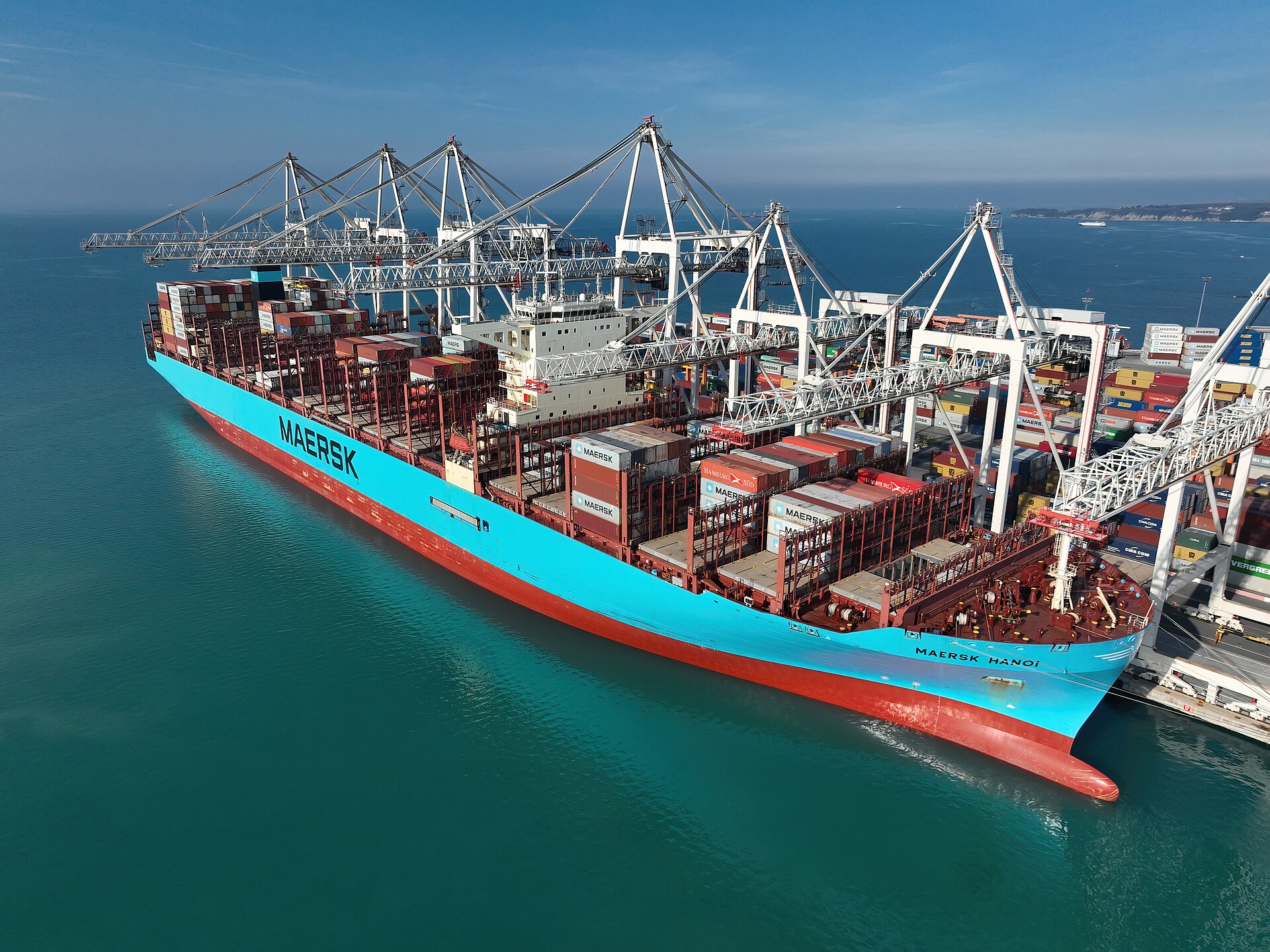
Global container shipping rates rose through September 2026 as capacity strains combined with healthier-than-expected demand to push prices higher, according to a Bloomberg report published on 22 September. Carriers have used the tighter market to hold rates above year-earlier levels even as new vessel deliveries were expected to ease some of the pressure later in the year.
A Volatile Year for Freight
Rates have swung sharply through 2026, with the Shanghai Containerized Freight Index having surged 70% from February lows by late May before easing somewhat over the summer as front-loaded e-commerce inventory cleared Chinese ports and new vessel deliveries began to ease equipment shortages in East China. The Freightos global container index stood at $3,627.60 at the end of July, reflecting persistently elevated rates compared with the prior year. Analysts had initially expected rates to stabilise further after August, making the renewed strength recorded in September notable to freight forwarders planning capacity for peak season.
Surcharges and Ongoing Uncertainty
Carriers have continued to apply surcharges to protect against fluctuating fuel costs and shifting demand, with the market also being shaped by geopolitical developments including periodic discussion of a possible resolution to the US-Iran conflict that could alter shipping routes and insurance costs in affected waters. Port congestion in parts of China has added further strain to schedules, with knock-on delays affecting vessel turnaround times at some of the world’s busiest terminals.
Why It Matters
Elevated and volatile freight rates feed directly into the cost of imported goods for businesses and consumers worldwide, and the persistence of high rates well into the second half of 2026 suggests supply-chain pressures built up earlier in the year have not fully unwound. For importers and retailers planning inventory for the final quarter, continued rate volatility complicates cost forecasting at a time when many are already managing tariff-related uncertainty, adding another variable to what is typically the busiest shipping season of the year.



Leave a Reply