
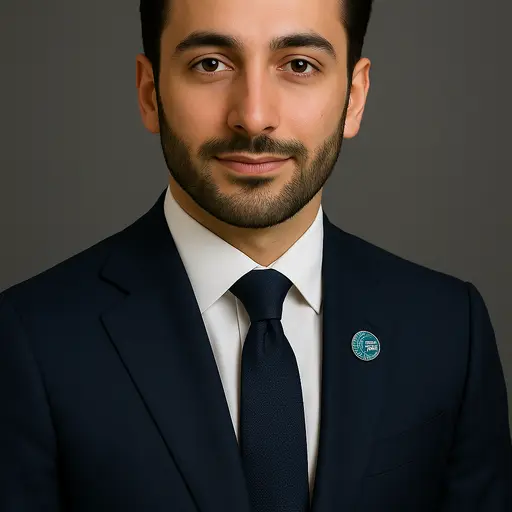
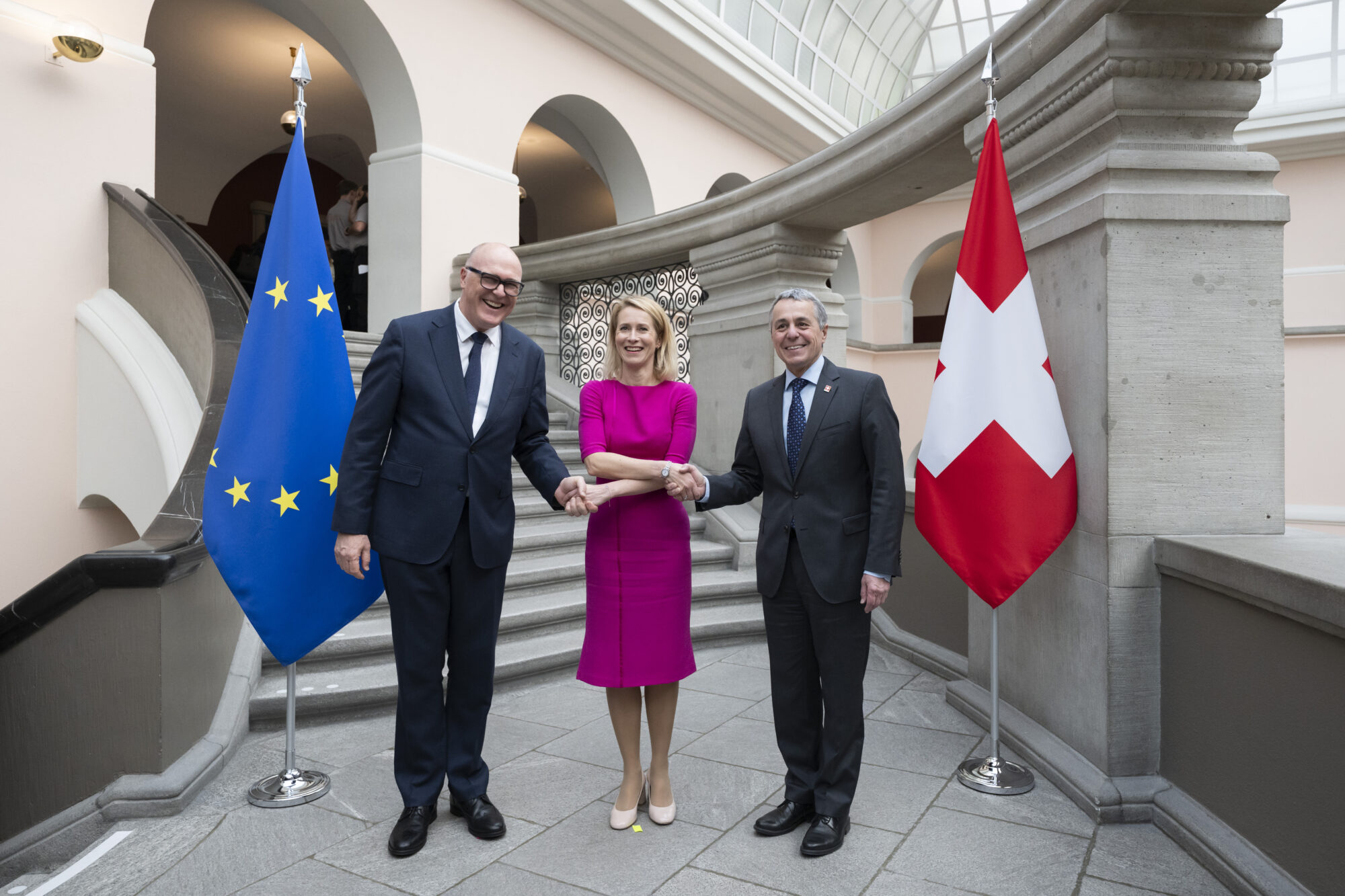
EU High Representative Kaja Kallas held separate bilateral meetings with Serbian President Aleksandar Vucic and Kosovo Prime Minister Albin Kurti on the margins of the UN General Assembly in New York on 22 September 2026, pressing both leaders to move ahead with the EU-facilitated Belgrade-Pristina dialogue after more than two years of limited progress.
Kallas recalled that the normalisation agreements reached in 2023 through the EU-facilitated dialogue “are binding,” and told both leaders that their implementation “is not a favour to Brussels but owed to their citizens and a region waiting for normal relations.” She added that “progress on the normalisation of relations and advancement on the EU path have to go hand in hand,” linking the stalled dialogue directly to both countries’ EU accession prospects.
Each side raised its own conditions
The two meetings surfaced different grievances rather than a shared agenda. Vucic pressed for implementation of the 2013 Brussels Agreement, in particular the long-delayed establishment of the Community of Serb Municipalities, an autonomous body for Kosovo’s Serb-majority areas that Belgrade has repeatedly demanded. Kurti, in turn, asked Kallas to have the EU pressure Belgrade into extraditing suspects wanted over the September 2023 Banjska attack, in which armed Serb assailants killed a Kosovo police officer, and voiced concern over a separate judgment against former Kosovo Liberation Army leaders. Vucic separately addressed the General Assembly’s 81st session on 23 September as its fifth speaker.
A dialogue trapped by its own preconditions
Kosovo has made any resumption of leader-level dialogue conditional on two Serbian steps: formally retracting a letter Belgrade sent the EU rejecting the binding nature of the 2023 agreements, and surrendering or extraditing Milan Radojcic, who has claimed responsibility for the Banjska attack. Analysts tracking the process say Pristina enters this phase with more domestic stability after this year’s elections removed earlier political paralysis, while the EU is preparing to reactivate financial and political incentives tied to normalisation, but the underlying incompatibility of preconditions remains unresolved on both sides.
Why it matters
Kallas’s message, that implementation is owed to citizens rather than to Brussels, is aimed at reframing a dialogue that has increasingly been read on both sides as a bargaining chip for EU accession rather than a process with its own momentum. With Kosovo unlikely to return to leader-level talks without a Serbian move on the Radojcic case or the Brussels letter, and Serbia unlikely to accept preconditions it says would validate Pristina’s terms in advance, the New York meetings produced restated positions rather than a path back to the table.



Leave a Reply