

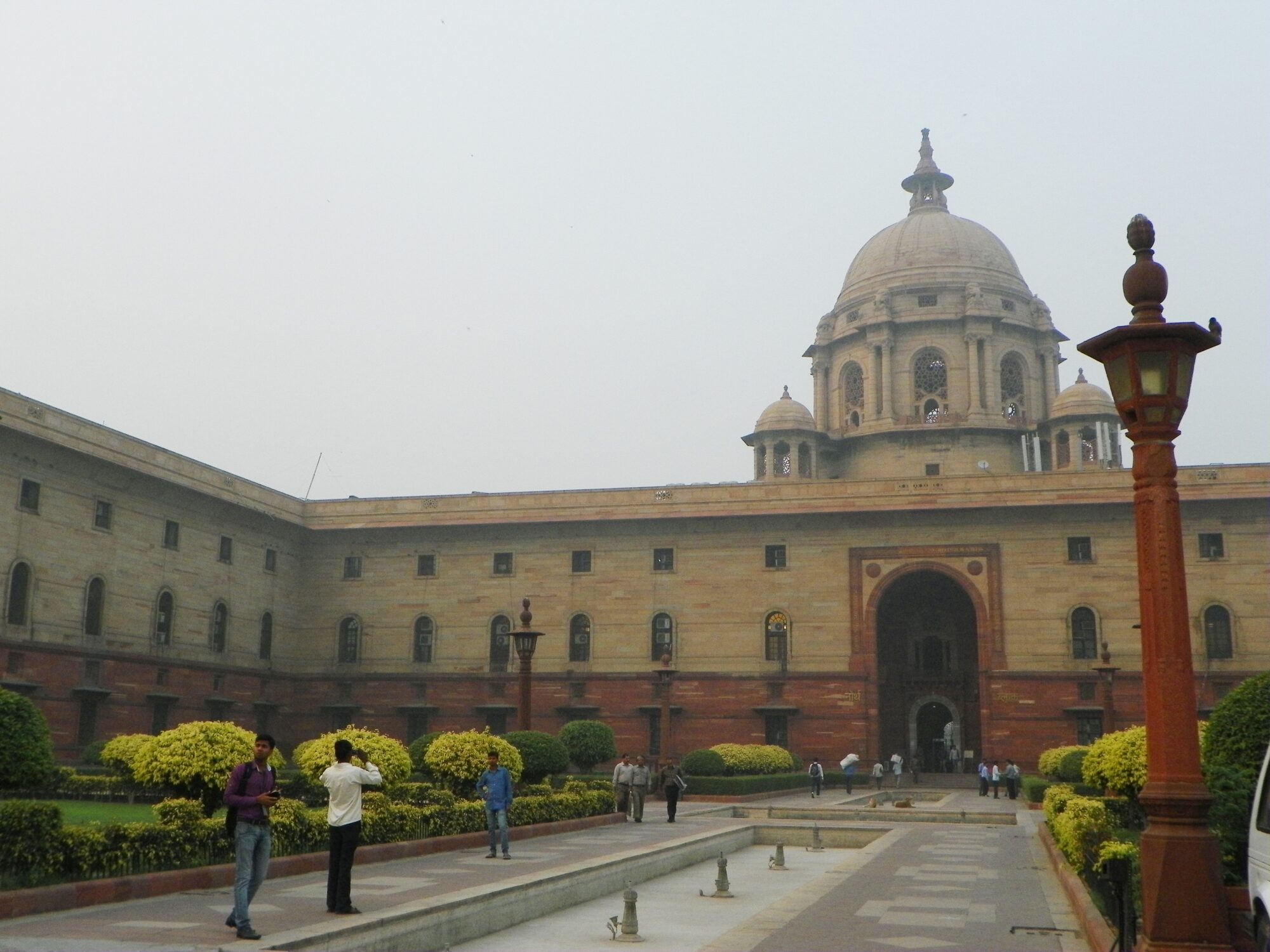
Indian Prime Minister Narendra Modi chaired a two-day ‘Chintan Shivir’, or brainstorming retreat, with his full council of ministers at Seva Teerth in New Delhi on 23 and 24 September 2026. The session brought together ministers to review the delivery of government schemes, inter-ministerial coordination and reform priorities tied to the government’s Viksit Bharat 2047 vision for India’s development.
On the first day, ministries made presentations on their initiatives and future plans, according to Indian media coverage of the event. Ministers were organised into groups for detailed discussions covering governance, communication, administrative reforms and ways to improve the effectiveness of government functioning.
A stocktaking exercise, not a reshuffle
The retreat fuelled speculation in Indian media about a possible cabinet reshuffle, given its focus on ministerial performance and coordination, but no changes to the council of ministers were announced in connection with the meeting. The government has described the session as a scheduled review of governance performance rather than a prelude to specific personnel decisions.
Part of a longer-term development framework
Viksit Bharat 2047, the government’s stated goal of transforming India into a developed economy by the centenary of its independence, has become the organising framework for a series of ministry-level reviews over the past year. This retreat extended that process to the full cabinet, asking ministries to account for progress against milestones linked to the 2047 target.
Why It Matters
Similar ministry-level retreats have preceded policy shifts in the past, so officials and analysts will watch in the coming weeks for whether specific reforms or resourcing changes follow from this round of discussions. Structured, recurring reviews of ministerial performance are one tool governments use to maintain delivery discipline across large bureaucracies. For India’s government, tying individual ministries’ work explicitly to a long-term national target is intended to keep coordination and accountability from slipping between election cycles.



Leave a Reply