

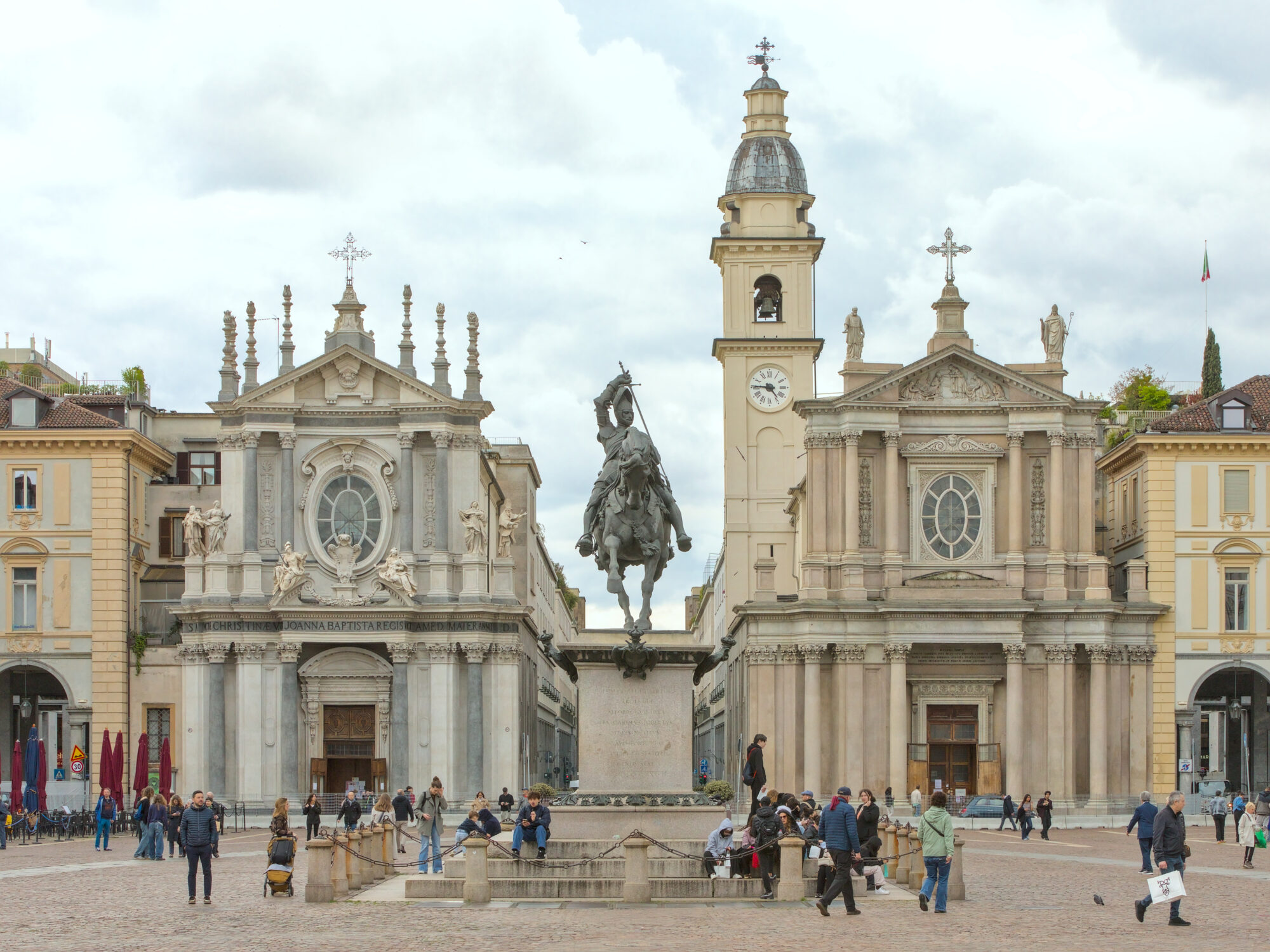
Terra Madre Salone del Gusto, the Slow Food movement’s biennial gathering of small-scale food producers, opened in Turin on 24 September 2026 and runs through 27 September, drawing more than 600 producers from Italy and abroad to a series of open-air markets across the city’s historic piazzas.
A celebratory 16th edition
This year’s event, organised jointly by the City of Turin, the Piedmont Region and Slow Food, coincides with the 40th anniversary of Slow Food Italy. Stalls run by farmers, food artisans, Indigenous communities and Slow Food’s network of “Presidia” producers fill squares including Piazza San Carlo, Piazza Castello and Piazza Vittorio, alongside a programme of tastings, talks and guided tours. The event is preceded by a five-month Road to Terra Madre programme of related events across Italy and abroad, and is followed on the ground by an extended local fringe, Terra Madre Off, running from 21 to 28 September.
Food as policy, not just produce
Slow Food describes the gathering as dedicated to food that is “good, clean and fair”, a slogan the organisation has used since its founding to link everyday eating to environmental and labour standards further up the supply chain. The 2026 programme places particular emphasis on biodiversity as the basis of resilient food systems, reflecting growing concern among food policy specialists about the narrowing range of crop varieties and livestock breeds used in industrial agriculture worldwide.
Why It Matters
Terra Madre has grown since its first edition into one of the largest recurring gatherings of small food producers anywhere in the world, giving growers, cheesemakers and fishers from dozens of countries a shared platform they would rarely have individually. For visitors, it doubles as a rare chance to taste regional foods and traditional techniques that rarely reach supermarket shelves, at a moment when food heritage is increasingly recognised as something that can disappear as easily as any other form of cultural knowledge.



Leave a Reply