

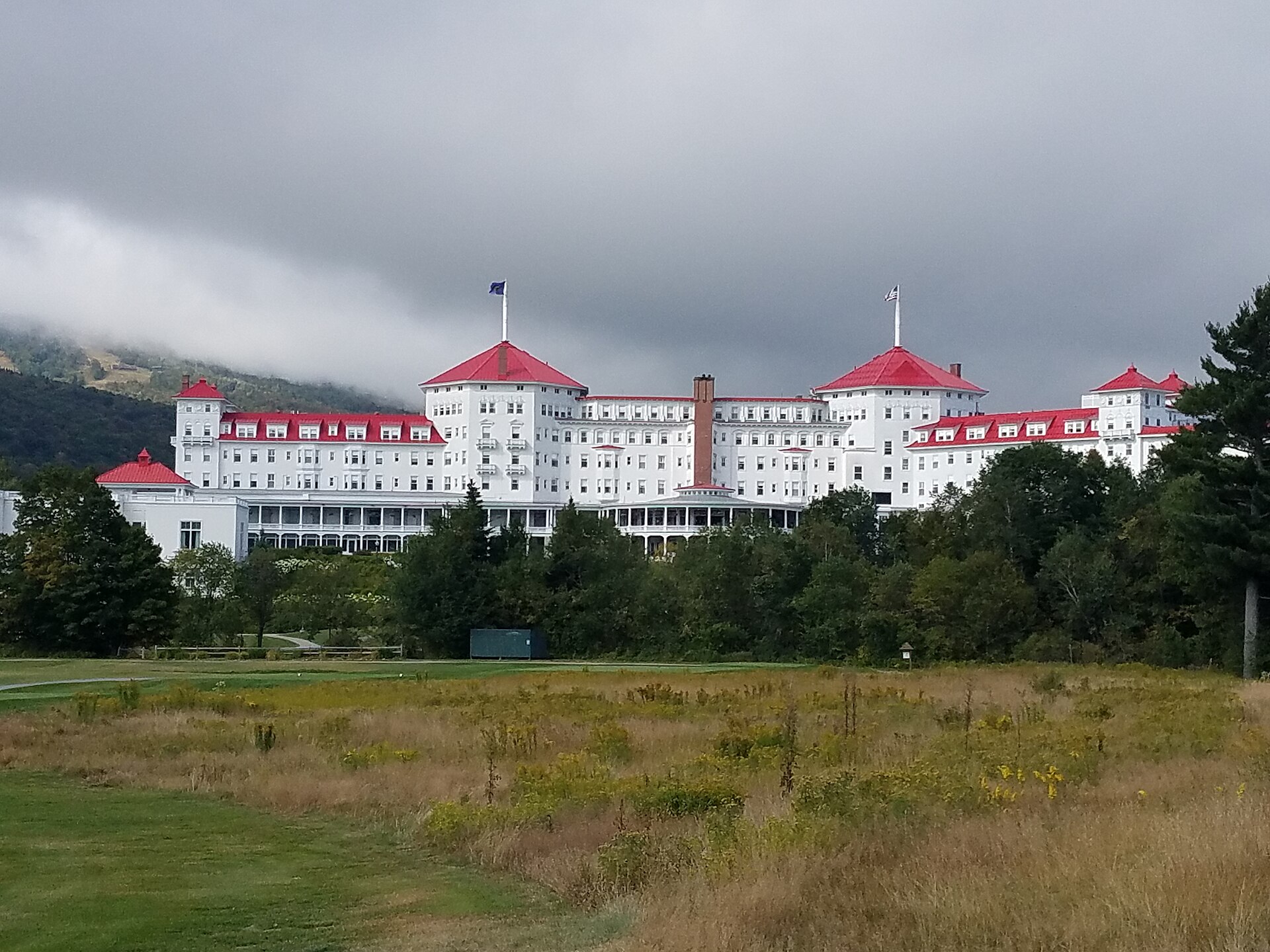
The Bretton Woods Conference — formally the United Nations Monetary and Financial Conference — ran from 1 to 22 July 1944 at the Mount Washington Hotel in Bretton Woods, New Hampshire. Delegates from 44 Allied nations gathered with a specific goal: build a postwar monetary system that would avoid repeating the currency chaos and competitive devaluations of the Great Depression era.
Two Competing Visions, One Compromise
The conference was shaped largely by a rivalry between two economists: Harry Dexter White, representing the US Treasury, and John Maynard Keynes, advising the British Treasury. Their competing plans differed in several significant respects, but both envisaged fixed but adjustable exchange rates rather than freely floating currencies. The system adopted resembled White’s plan more than Keynes’s and anchored currencies to the US dollar (itself convertible to gold at $35 an ounce).
The conference’s conclusion produced Articles of Agreement for two new institutions: the International Monetary Fund (IMF), tasked with monitoring exchange rates and lending to countries facing balance-of-payments crises, and the International Bank for Reconstruction and Development — which quickly became known as the World Bank — focused on postwar reconstruction and, later, development financing.
Why The Institutions Outlasted The Original System
The fixed exchange-rate system itself collapsed in 1971 when the US suspended the dollar’s convertibility to gold. But the institutions built at Bretton Woods did not — the IMF and World Bank remain central to how the global economy manages debt, currency stability and development financing today. Their 80th anniversary in 2024 prompted renewed academic attention to a simple observation: the specific monetary mechanism from 1944 didn’t survive, but the institutional architecture built to manage it did, and continues to shape economic policy debates from Washington to the Gulf.
Key Insights
- The Bretton Woods Conference ran 1–22 July 1944, with 730 delegates from 44 nations.
- It produced the founding agreements for the IMF and the International Bank for Reconstruction and Development (now the World Bank).
- The original fixed exchange-rate system, pegged to gold-convertible dollars, ended in 1971.
- Both institutions founded at Bretton Woods remain central to global economic governance today.



Leave a Reply