

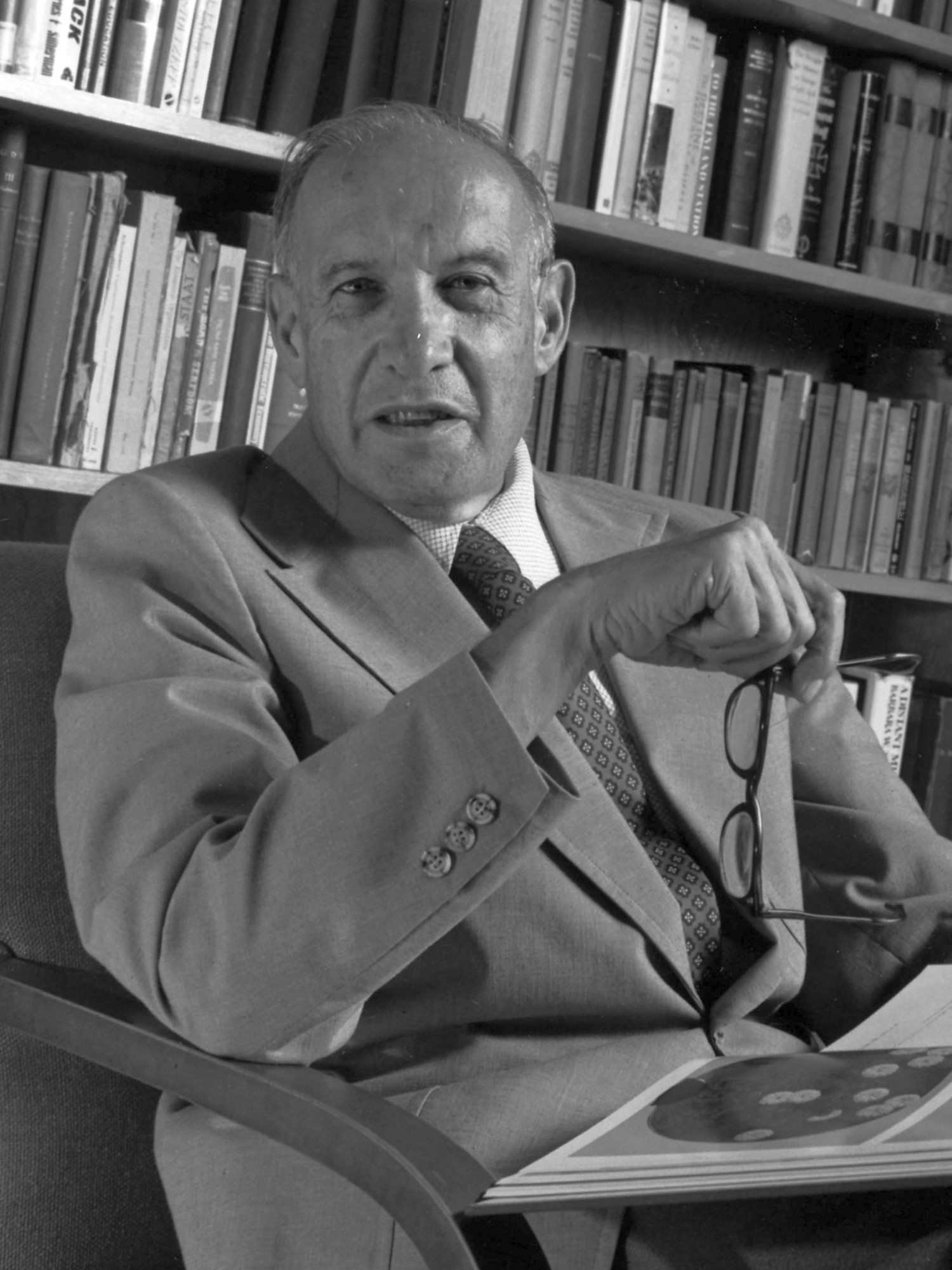
Peter Drucker was born in Vienna in 1909 into a household where economists and politicians gathered for evening salons — an environment he later called his real education. He trained in law before turning to journalism and financial analysis, experiences that shaped an unusually cross-disciplinary view of how organisations actually function.
The Idea That Still Runs Boardrooms Today
Drucker’s most cited contribution, Management by Objectives (MBO), was introduced in his 1954 book The Practice of Management. Its core insight was simple: when employees participate in setting their own goals, they are more likely to commit to them. That idea is the forerunner of the OKR (Objectives and Key Results) framework, which Intel’s Andy Grove developed from it and which Google later popularised, and it is echoed in the SMART goals methodology used in corporate training.
He followed with The Effective Executive in the mid-1960s, distinguishing productive managers from merely busy ones, and continued publishing prolifically — 39 books in total — through the following decades, addressing everything from innovation to the rise of the “knowledge worker,” a term he is credited with coining.
A Legacy Measured In Institutions, Not Just Ideas
Drucker’s influence wasn’t confined to the private sector. He was an early advocate for applying rigorous management thinking to non-profits, encouraging them to define clear missions and measure results — a discipline many philanthropic and governance bodies still lean on today. The Drucker Institute, now housed at Claremont Graduate University where he taught for more than 30 years, continues to carry that work forward, and Fellows of the Academy of Management have ranked his 1954 book among the most influential management texts of the twentieth century.
Key Insights
- Peter Drucker introduced Management by Objectives (MBO) in his 1954 book The Practice of Management.
- MBO’s participatory-goal-setting principle is the forerunner of today’s OKR and SMART goals frameworks.
- Drucker is credited with coining the term “knowledge worker” and wrote 39 books over his career.
- He was an early advocate for bringing management discipline into non-profit organisations.



Leave a Reply