

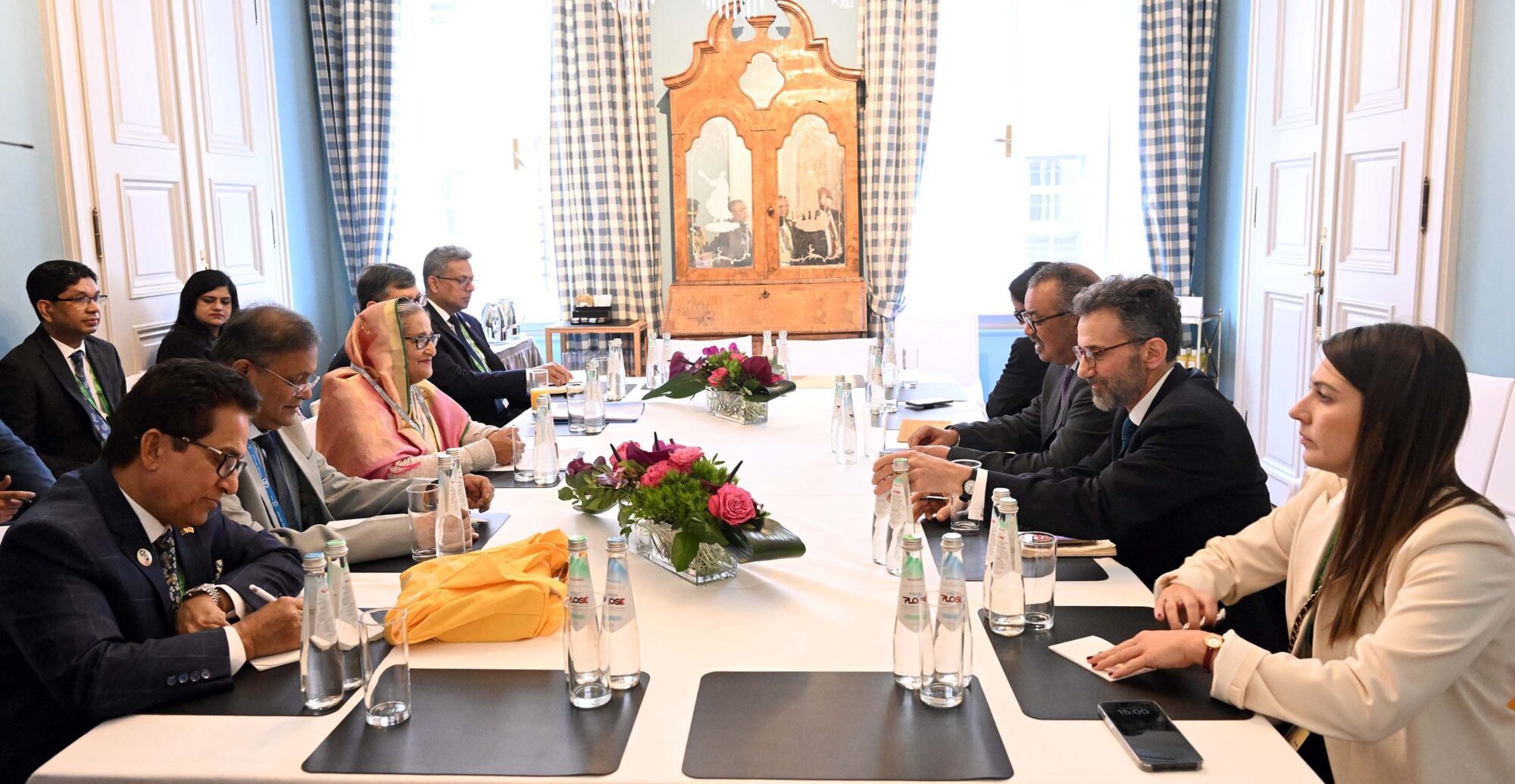
The United Nations General Assembly held its second High-Level Meeting on Pandemic Prevention, Preparedness and Response on 25 September 2026 at UN Headquarters in New York, with world leaders reviewing progress made since the first such meeting in 2023 and renewing commitments to strengthen global defences against future pandemics, according to the World Health Organization.
Progress Since 2023
WHO said member states used the meeting to acknowledge achievements including the adoption of the WHO Pandemic Agreement and amendments to the International Health Regulations, alongside the establishment of new global centres for disease surveillance, pathogen sharing and vaccine manufacturing capacity, part of an effort to reduce the reliance on a handful of wealthy countries seen during COVID-19. WHO Director-General Dr Tedros Adhanom Ghebreyesus told the gathering that “the COVID-19 pandemic exposed and exacerbated the fault lines of global health security, and taught the world many painful lessons.”
Unfinished Business on Pathogen Sharing
Negotiators have not yet finalised the Pathogen Access and Benefit-Sharing (PABS) system, an annex to the Pandemic Agreement that governs how countries share dangerous pathogens and the resulting benefits, such as vaccines. UN Deputy Secretary-General Amina Mohammed said the PABS system “is critical to unlocking the full potential of the WHO Pandemic Agreement,” adding that “there is no time to waste,” with adoption targeted for the World Health Assembly in May 2027.
Why It Matters
The gap between the pandemic-response commitments made in 2023 and their full implementation illustrates how difficult it remains to translate crisis-driven political will into binding international rules once the acute phase of an emergency has passed. With the PABS annex still unresolved, the practical test of whether countries will share pathogens and vaccine benefits equitably during the next major outbreak remains unanswered, even as the political declaration renews the underlying commitment ahead of further negotiations expected in the coming months.



Leave a Reply