

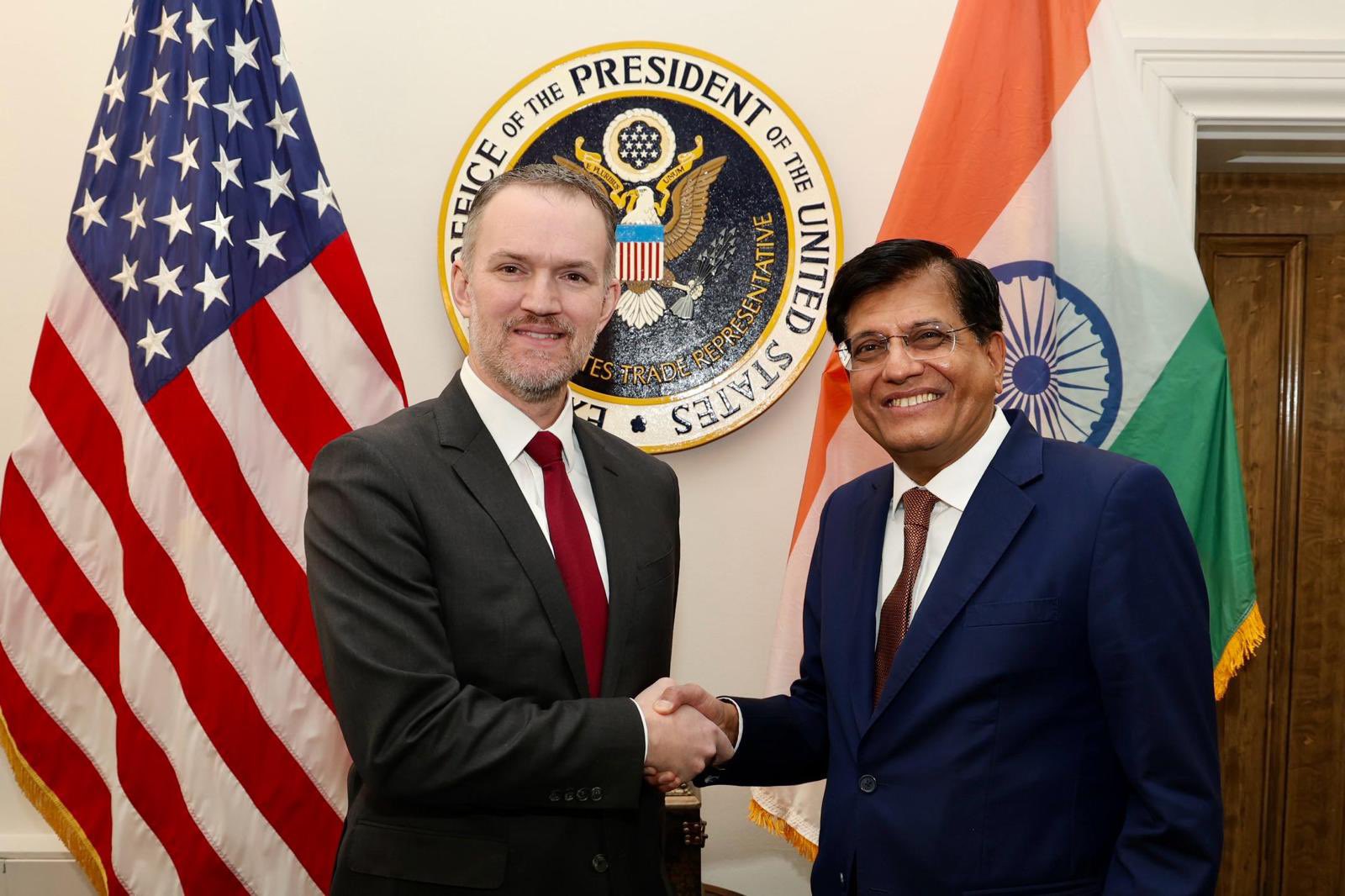
Trade ministers from the Group of 20 economies will gather in Milwaukee, Wisconsin, from 29 September to 1 October 2026, hosted by U.S. Trade Representative Jamieson Greer. The agenda includes eliminating forced labour from global supply chains, updating the Most-Favoured-Nation (MFN) principle, what Washington calls the weaponisation of trade in food, and structural overcapacity in industries such as steel.
The schedule
- Tuesday 29 September: a welcome reception hosted by the Business Roundtable and the National Association of Manufacturers.
- Wednesday 30 September: a ministerial meeting of the Global Forum on Steel Excess Capacity, a tour of a Rockwell Automation plant with factory workers and executives, the opening session with remarks from Ambassador Greer, and a welcome dinner.
- Thursday 1 October: the main ministerial sessions, a press conference with Ambassador Greer, and a closing reception at the Harley-Davidson Museum.
Why Milwaukee
The USTR says the factory visit is meant to show ministers how the administration’s trade programme is, in its words, accelerating America’s reindustrialisation and reinforcing supply chains. Holding the meeting in a manufacturing city, rather than a capital, signals the message Washington wants to send: that trade policy is about factory jobs.
What to watch
Indian media reports say India’s Commerce and Industry Minister Piyush Goyal is expected to take part in talks on the rules of global trade. Overcapacity in steel is a long-running source of friction between producers, and the MFN principle, under which a country gives every trading partner the same treatment, is central to the World Trade Organization system. Any proposal to update it will be closely read by smaller economies that depend on predictable rules.
No outcomes have been announced yet. We will update this report when the ministers publish their conclusions.



Leave a Reply