

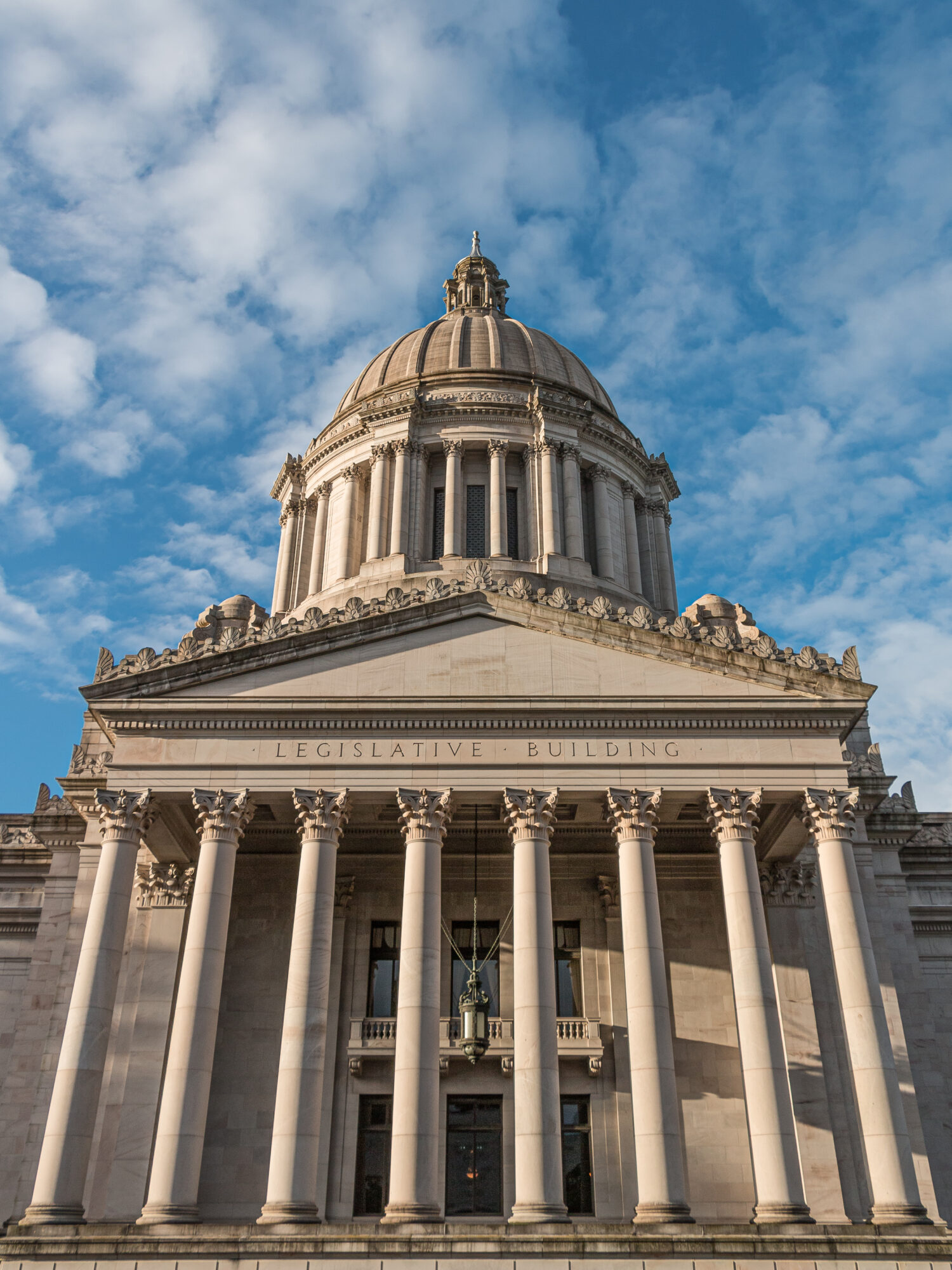
Washington State voters will decide on 3 November whether to repeal a 9.9% income tax on household earnings above $1 million, under Initiative 645, a citizen measure that qualified for the ballot after signature-gathering earlier this year, according to a report on the campaign. The tax, signed into law by Democratic Governor Bob Ferguson in March 2026, is scheduled to take effect on 1 January 2028.
Arguments on Both Sides
Opponents of the tax, led by a campaign organised by investor Brian Heywood, argue it threatens the state’s business-friendly reputation; former Republican state representative Jaime Herrera Beutler said “the goal is to put an income tax on every Washingtonian,” according to the report. Heywood has argued Washington has become “the least attractive” place to start a business, pointing to high-profile residents who have relocated to Florida in recent years.
A Fairness Argument From Supporters
Governor Ferguson and other supporters counter that the tax would make Washington’s system fairer by reducing reliance on sales and property taxes, which fall more heavily on lower-income households, and note that fewer than half of one percent of state residents would be affected. The law pairs the new tax with expanded tax credits and planned sales tax exemptions, and could generate more than $3 billion annually if it survives the repeal vote. Ballots are due to be mailed to voters by 16 October, giving both campaigns roughly a month of final advertising and outreach before results are tallied.
A Closely Watched Spending Question
Supporters have said revenue from the tax would help fund education and social services, areas that have faced budget pressure in recent years, while opponents argue lawmakers could still redirect the money toward other priorities once it starts flowing. Both campaigns have signalled they expect the vote to be close, given Washington’s mix of a heavily Democratic urban core and more conservative rural and suburban areas.
Why It Matters
Washington has historically had no state income tax, and the millionaire tax marked a significant break from that tradition when it passed the legislature. The November vote will test how durable that policy shift is once it is put directly to voters, with implications for other US states weighing similar wealth taxes on high earners.



Leave a Reply