

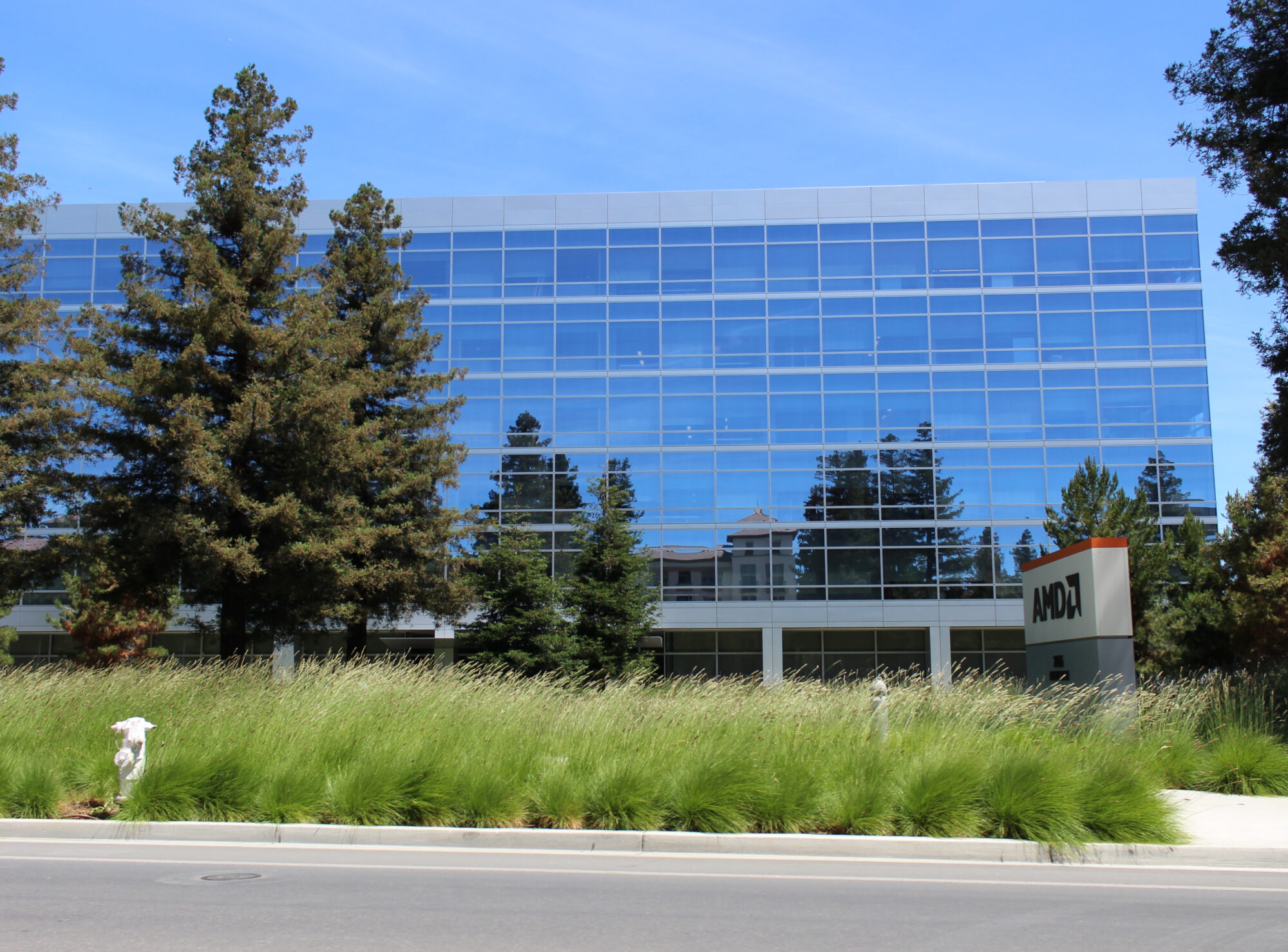
Chipmaker AMD announced on 28 September that it had agreed to acquire World Labs, an artificial intelligence startup founded by researcher Fei-Fei Li, in an all-stock deal valued at $8.2 billion, according to the company and multiple reports of the announcement.
Betting on “World Models”
World Labs, founded in 2024, builds AI systems known as world models, which generate and simulate three-dimensional environments from text, image and video, with applications ranging from entertainment to training robots to navigate physical spaces. Its first product, Marble, creates simulated environments for such training. AMD said the acquisition would deepen its access to AI systems that reason about physics and spatial structure, capabilities it says complement its existing text- and video-based offerings. The transaction, structured entirely in stock, is expected to close before the end of the year, subject to regulatory approval, according to the companies.
Li Moves to Chief Scientist
Under the deal, Li, a Stanford professor and a co-founder of World Labs, will join AMD as executive vice-president and chief scientist, working alongside chief executive Lisa Su. “To do this requires scaling our efforts, widening our reach, and getting closer to the hardware,” Li said of the move. AMD and World Labs had already been working together since 2025 through a separate optimisation partnership, the company said, and the deal is AMD’s second-largest acquisition on record after its roughly $50 billion purchase of Xilinx in 2022. AMD shares rose in early trading following the announcement, according to market reports, as investors weighed the company’s expanding bet on artificial intelligence infrastructure.
Why It Matters
The deal underscores how chipmakers are racing to secure not just AI hardware demand but the underlying research talent and software models that determine what that hardware is used for, as AMD seeks to build out a fuller AI ecosystem to compete more directly with Nvidia.



Leave a Reply