

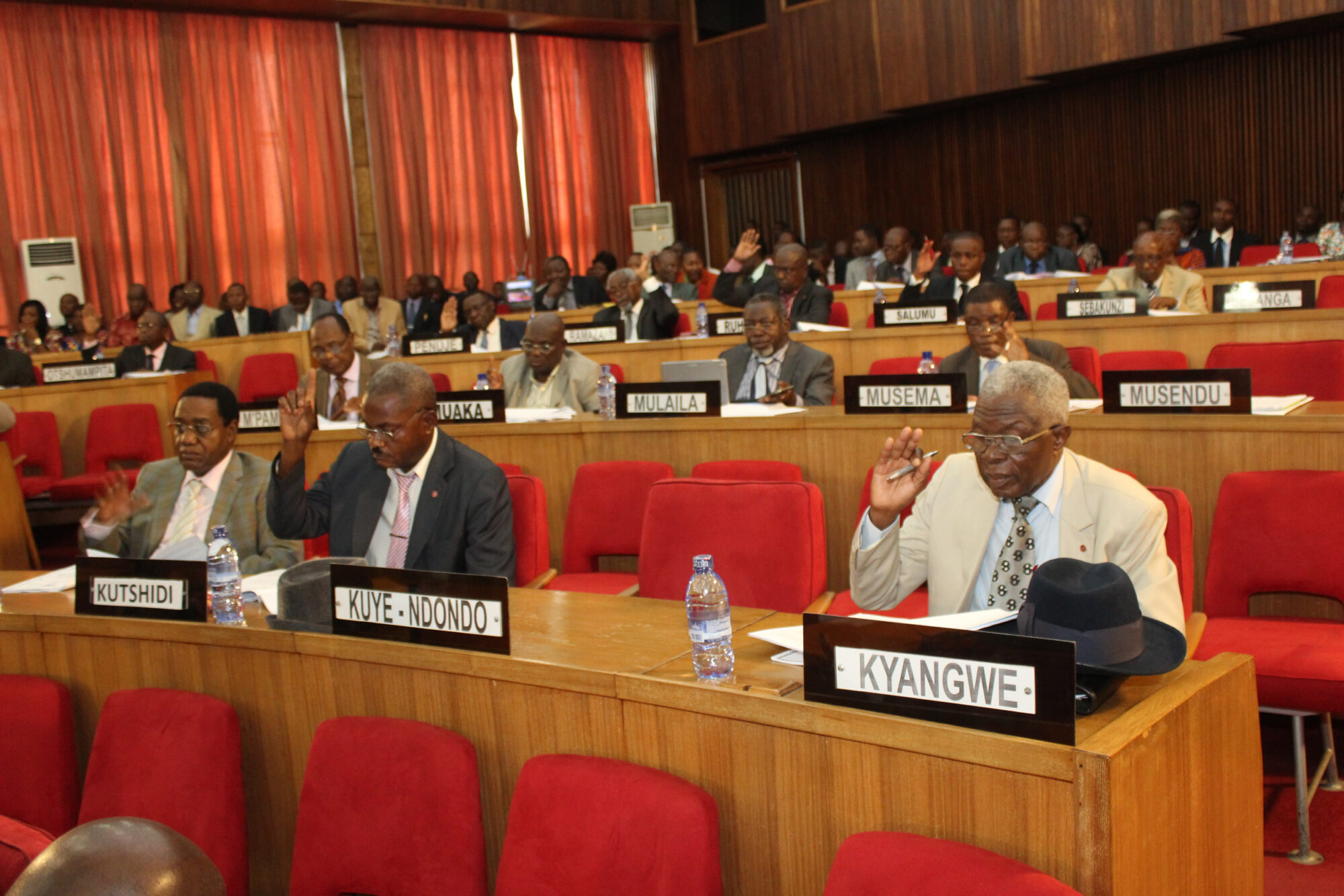
The National Assembly of the Democratic Republic of Congo cleared a 144-article anti-corruption bill for further examination on 28 September 2026, forwarding the legislation to its political, administrative and legal committee, according to Ecofin Agency.
A Broader Legal Framework
The bill, presented by Minister of State for Justice Guillaume Ngefa Atondoko Andali and adopted by the Council of Ministers in June, is organised into ten sections covering prevention and transparency, the powers of anti-corruption bodies, offences and penalties, and protections for witnesses and whistleblowers. It also addresses special investigative procedures, international cooperation, asset recovery and corporate liability for corruption-related offences. Officials have said the reform is intended to broaden the country’s approach beyond simple punishment to include prevention, detection and recovery of illicitly obtained assets, arguing that the country’s “legal, economic and financial environment has changed” in ways that require updated tools against increasingly sophisticated financial crime.
Further Reforms Planned
According to Ecofin Agency, the government intends to follow the bill with additional legislation addressing conflicts of interest, international judicial cooperation and further whistleblower protections, suggesting the current bill is one part of a wider overhaul of the DRC’s anti-corruption architecture. The National Assembly is the lower chamber of the Democratic Republic of Congo’s bicameral parliament, and the bill must still clear committee review, a full vote in the Assembly, and consideration by the Senate before it can become law.
Why It Matters
The Democratic Republic of Congo, a major global supplier of cobalt and other minerals critical to the energy transition, has long faced international scrutiny over governance and corruption in its resource sector. A modernised legal framework, if ultimately passed and enforced, could shape how foreign investors and multilateral lenders assess the country’s business environment, though the bill’s real impact will depend on implementation and enforcement once it moves beyond committee review.



Leave a Reply