

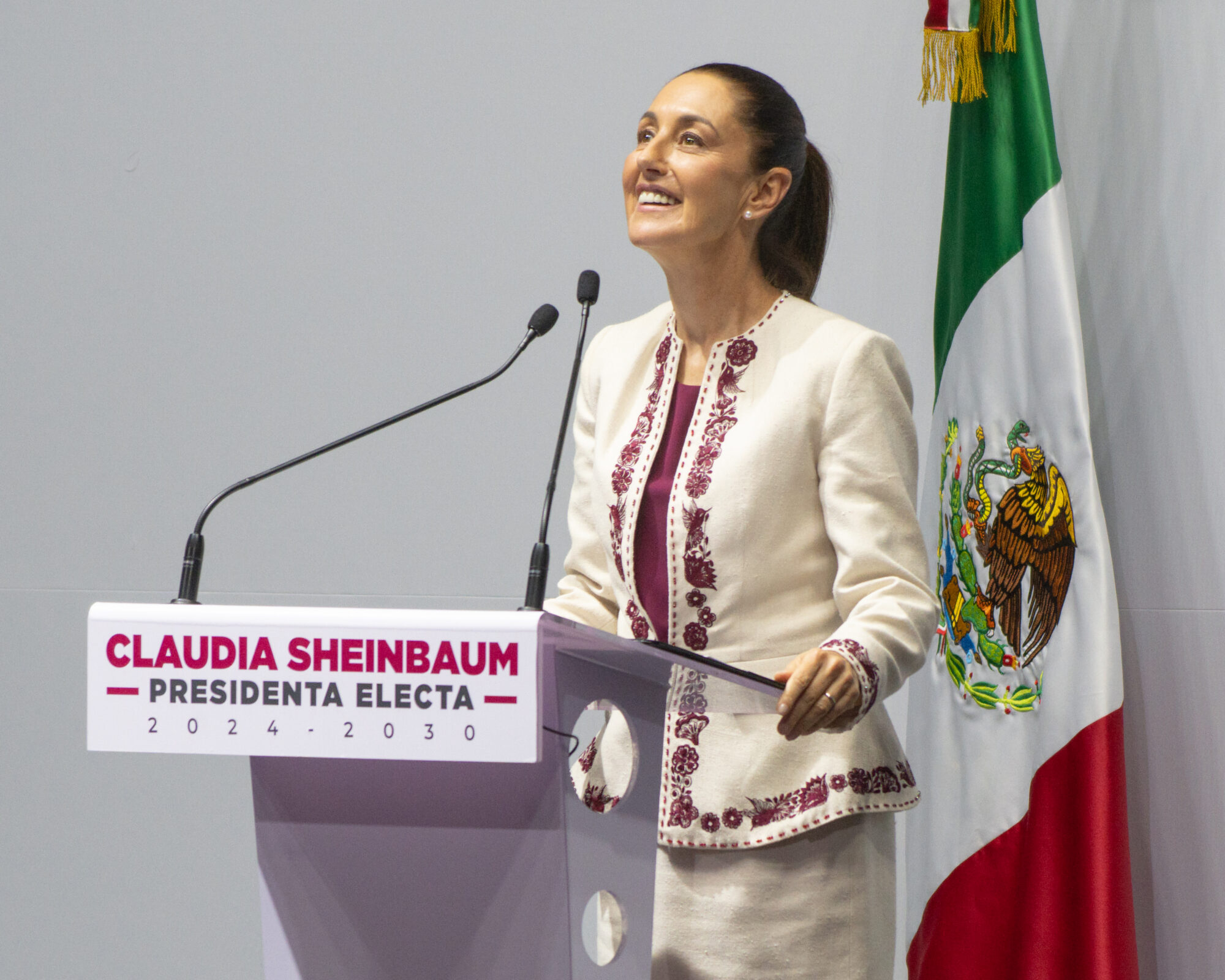
South Korean President Lee Jae-myung and Mexican President Claudia Sheinbaum signed 17 cooperation documents at Mexico’s National Palace on 24 September, adopting a Korea-Mexico Joint Action Plan covering trade, finance, artificial intelligence, aerospace, defence, agriculture and education through 2030, according to a report from the Korea JoongAng Daily.
Supply Chains and Minerals
The two governments agreed to establish a ministry-level dialogue channel focused on crude oil and critical resources, recognising Mexico’s position as the world’s largest silver producer and a major oil producer, the report said. President Lee described Mexico as “a pivotal pillar of the North American supply chain and a global production hub” for the automotive, electronics and aerospace sectors.
Trade Deal Still to Come
Most of the 17 documents signed were memorandums of understanding rather than binding agreements, spanning areas including financial cooperation, intellectual property, police intelligence and academic exchange. Lee said concluding a comprehensive economic partnership agreement between the two countries remained “crucial for expanding bilateral trade and investment,” though no timeline for such a deal was given. The visit was Lee’s first to Mexico as president and formed part of a wider tour of Latin American partners aimed at expanding South Korean trade relationships beyond its traditional focus on the United States and China.
Aerospace and Defence Cooperation
Beyond trade and minerals, the memorandums also covered aerospace and defence cooperation, areas where Mexican officials have said they hope to attract South Korean manufacturing investment. Cultural and educational exchange agreements were also included among the 17 documents, reflecting an effort by both governments to broaden the relationship beyond purely commercial ties.
Why It Matters
The agreements reflect Seoul’s broader push to diversify trade and supply-chain partnerships beyond its traditional markets in the United States and China, while giving Mexico a new avenue to attract Asian investment in minerals, manufacturing and technology. Although largely non-binding for now, the joint action plan sets a formal framework the two governments can build on as they work toward a fuller trade agreement in the years ahead.



Leave a Reply