

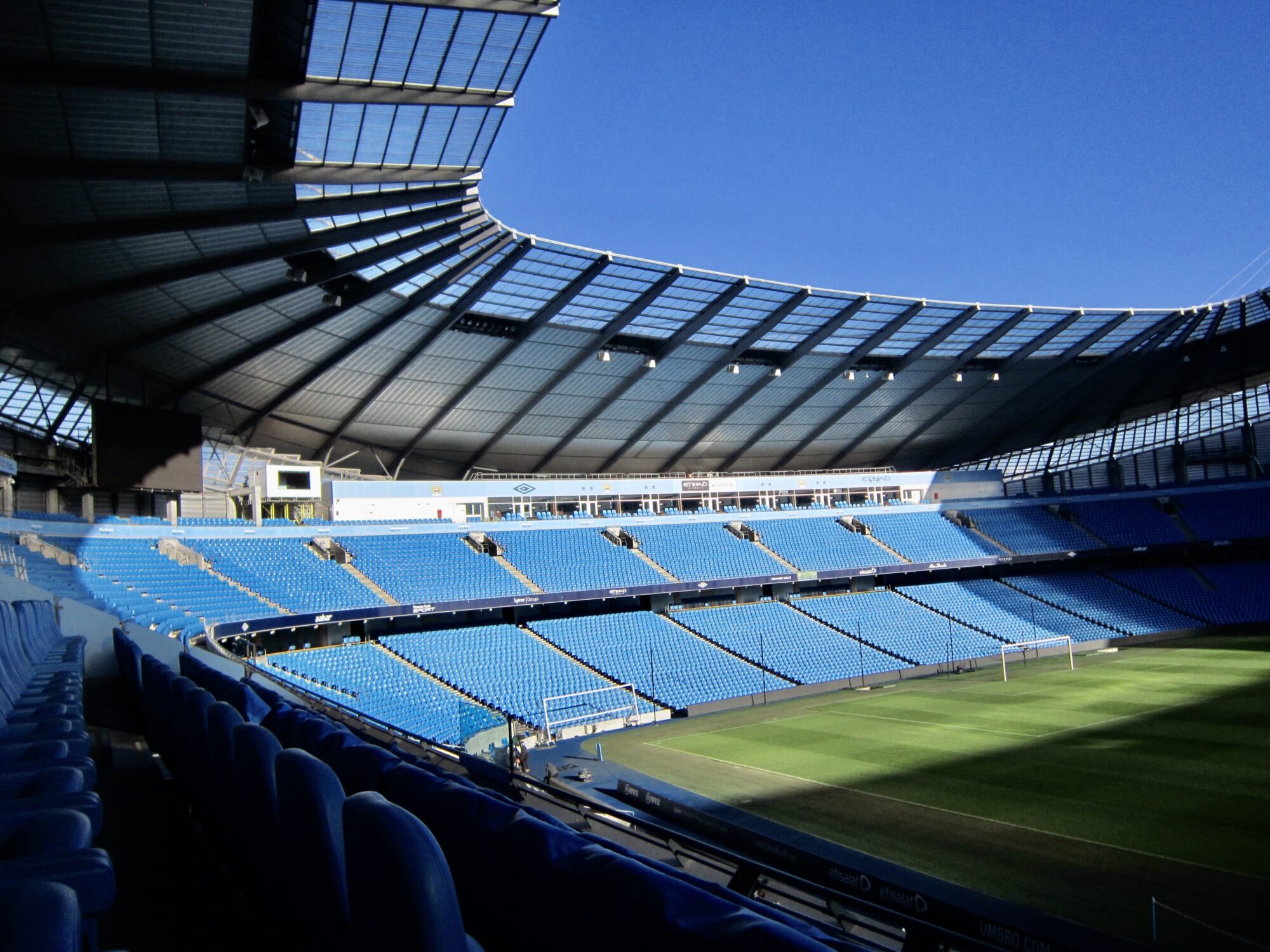
This is an analysis piece reflecting on a development reported by established news organisations. On 29 September 2026, an independent commission found Manchester City guilty of almost all of the 115 financial-rule breaches alleged by the Premier League, according to NBC News. The club said it was “disappointed and surprised” and maintains that it is “innocent of the accusations”, and it has said it will pursue appeals. Sanctions have not yet been decided.
What Has Been Reported
According to NBC News, the commission found that the club breached regulations between 2009 and 2018 through sponsorship contracts the league described as fabricated, inflating revenues by more than GBP900 million, and that it concealed its true finances from auditors and supplemented salaries without declaring them. A separate hearing will set punishments; NBC reported that possible consequences include a large points deduction or even expulsion. Manchester City has been owned since 2008 by Sheikh Mansour bin Zayed Al Nahyan, a member of Abu Dhabi’s ruling family and the UAE’s deputy prime minister, as NBC noted.
Reading the Wider Picture
The case is formally about a sports league’s rulebook, not about state relations. Yet it lands in a period when Gulf capital has become central to global football, through club ownership, stadium naming rights, airline and tourism sponsorships and sovereign-fund investment. Two things are worth watching. The first is process: because the club is contesting the finding, the legal route, including any challenge in the courts, will matter as much as the verdict itself. The second is signalling: investors and governments will read how sanctions are decided, and whether the independent system is seen as predictable and fair, when weighing future deals.
Why It Matters
Football is now one of the most visible arenas where commercial, regulatory and diplomatic interests meet. If sanctions are severe and upheld, other owners and leagues may tighten how related-party sponsorships are valued and disclosed; if the verdict is narrowed on appeal, confidence in the league’s enforcement machinery could be questioned. Either way, the outcome will shape how sports governance is perceived by Gulf investors and by the fans and host cities whose goodwill their investments depend on. Readers should treat the findings as those of the commission, with the club’s denial and appeal still to be heard.



Leave a Reply