

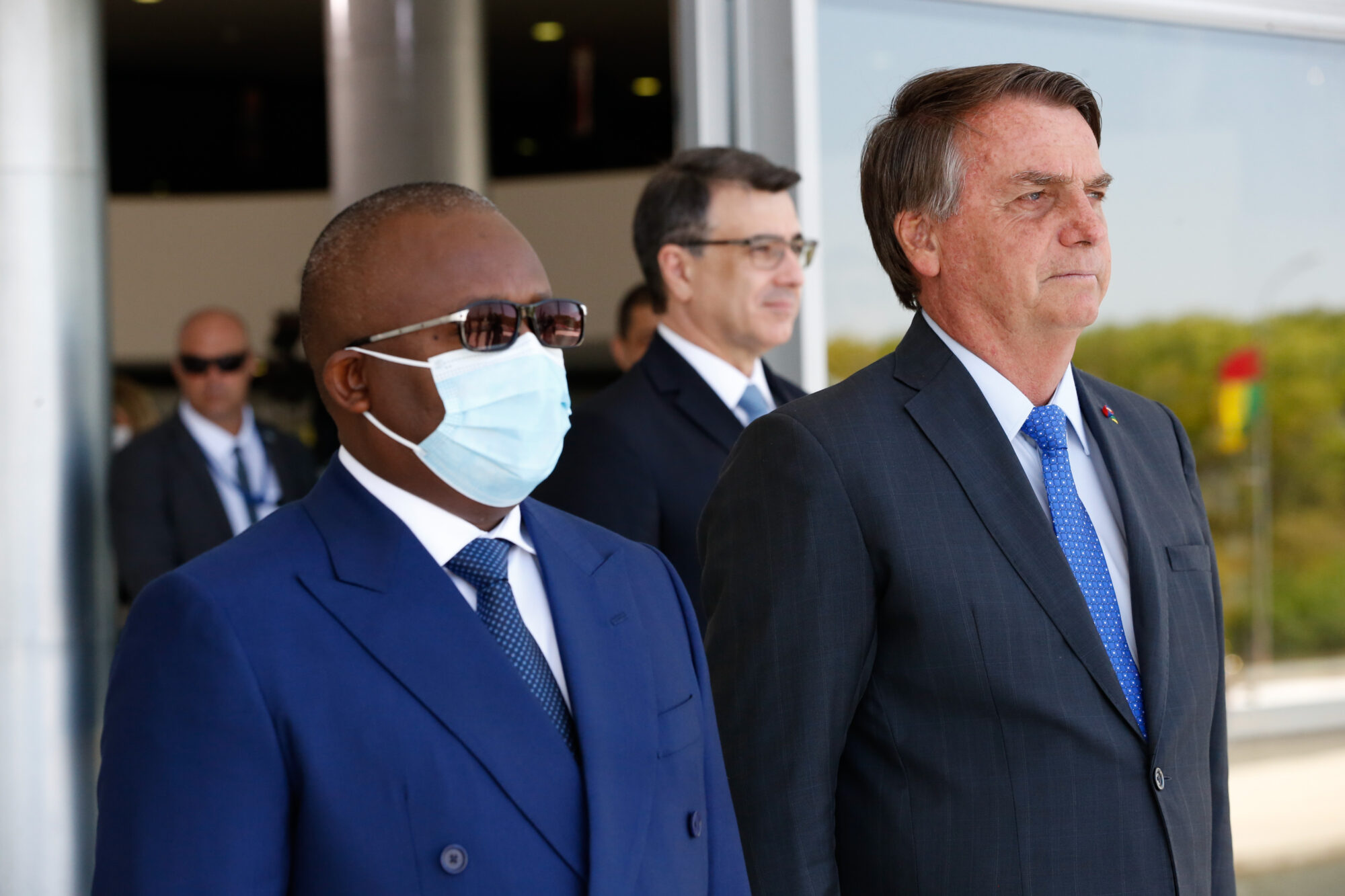
Deposed Guinea-Bissau president Umaro Sissoco Embaló plans to return to the country on 4 October to contest a presidential election scheduled for December, a source familiar with his plans said on 29 September, according to Reuters reporting carried by U.S. News.
From Coup to Comeback Bid
Embaló was ousted in a military coup in November last year, days after a presidential vote whose results were never announced, according to the report. Senior army officers suspended the electoral process at the time and installed Major-General Horta Inta-a as transitional president. Embaló has been outside the country since, moving first to Senegal and then to the Republic of the Congo. Guinea-Bissau’s military-led authorities have said he is welcome to return, and have scheduled new presidential and legislative elections for 6 December.
A complication has since emerged: Guinea-Bissau approved a new constitution by referendum in August that expanded presidential powers and altered electoral rules, including a requirement that presidential candidates have lived continuously in the country for the preceding five years. It remains unclear how that provision might apply to Embaló’s candidacy, given his time abroad since the coup, the source said.
A Fragile Transition
Guinea-Bissau has experienced repeated coups and attempted coups since independence from Portugal in 1974, and the transitional government’s pledge to hold elections in December is being closely watched as a test of whether the country can return to civilian rule on schedule. Regional bodies including the Economic Community of West African States have previously pressed Guinea-Bissau’s authorities to commit to a credible timetable for restoring elected government.
Why It Matters
Embaló’s potential candidacy, and the legal questions surrounding it, will shape perceptions of whether December’s vote represents a genuine return to competitive politics or a process constrained by rules written under military-backed authority. The outcome carries weight for a country whose political instability has repeatedly disrupted governance and development over five decades.



Leave a Reply