

The UN refugee agency, UNHCR, warned on 29 September that nearly 8.3 million refugees and other forcibly displaced and stateless people are at risk of losing access to vital assistance because of severe funding cuts, according to a new report titled “Protection Eroded: The Human Cost of Underfunding.”
A Widening Funding Gap
UNHCR’s available funding fell from $5.2 billion in 2024 to $3.9 billion in 2025, and by the end of July 2026 the agency had received only 32 per cent of the $8.5 billion it needs for the year, according to the report. The shortfall has forced UNHCR to cut nearly 5,000 jobs in 2025, more than a quarter of its workforce. Dominique Hyde, the agency’s chief of external relations, said “protection cannot be reduced indefinitely without systems collapsing,” warning that when services stop, “the very risks that people fled … reappear in displacement.”
Impact Felt From Chad to Iraq
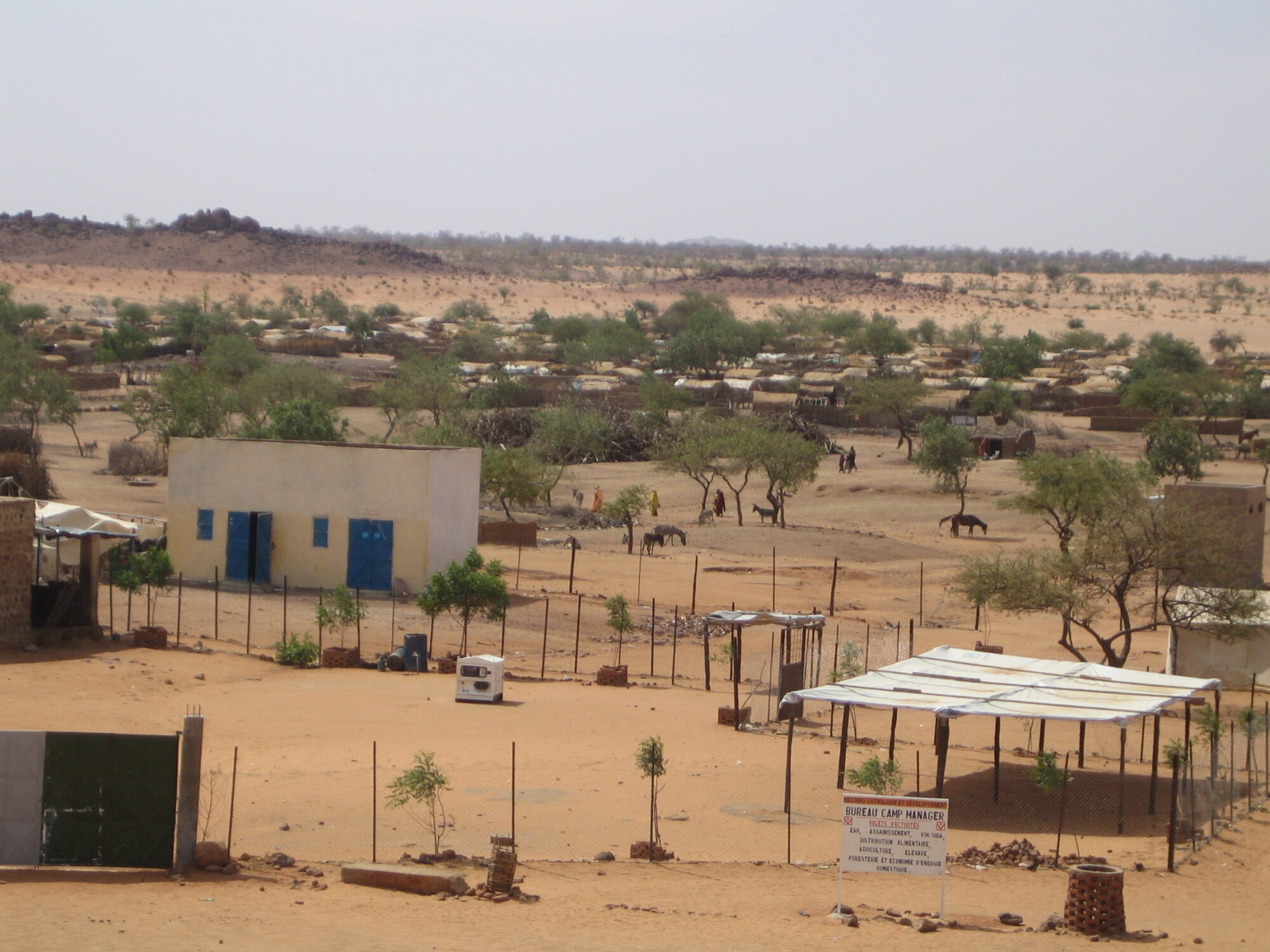
The report details specific regional consequences: in Chad, 319,000 refugees face registration delays that leave them without documentation and exposed to detention risks, while roughly 233,000 children there could lose child protection services. In Ethiopia, child protection coverage has diminished by up to 85 per cent in some areas. In Syria, more than 162,500 vulnerable displaced people and returning refugees will not receive initial financial assistance without urgent new funding, and in Iraq, up to 350,000 refugees and asylum seekers may lose access to economic inclusion programmes, according to UNHCR.
Why It Matters
The scale of the shortfall illustrates how donor retrenchment is reshaping humanitarian response even as global displacement remains near record levels. With core protection services, from registration to child safeguarding, now at risk across multiple crises simultaneously, the report underscores that funding decisions made far from the field can translate directly into heightened danger for people who have already fled violence and persecution.



Leave a Reply