
This is an analysis piece. It offers interpretation of a development reported by UN News; the facts are attributed to that report, and the reasoning is the author’s own.
The Development
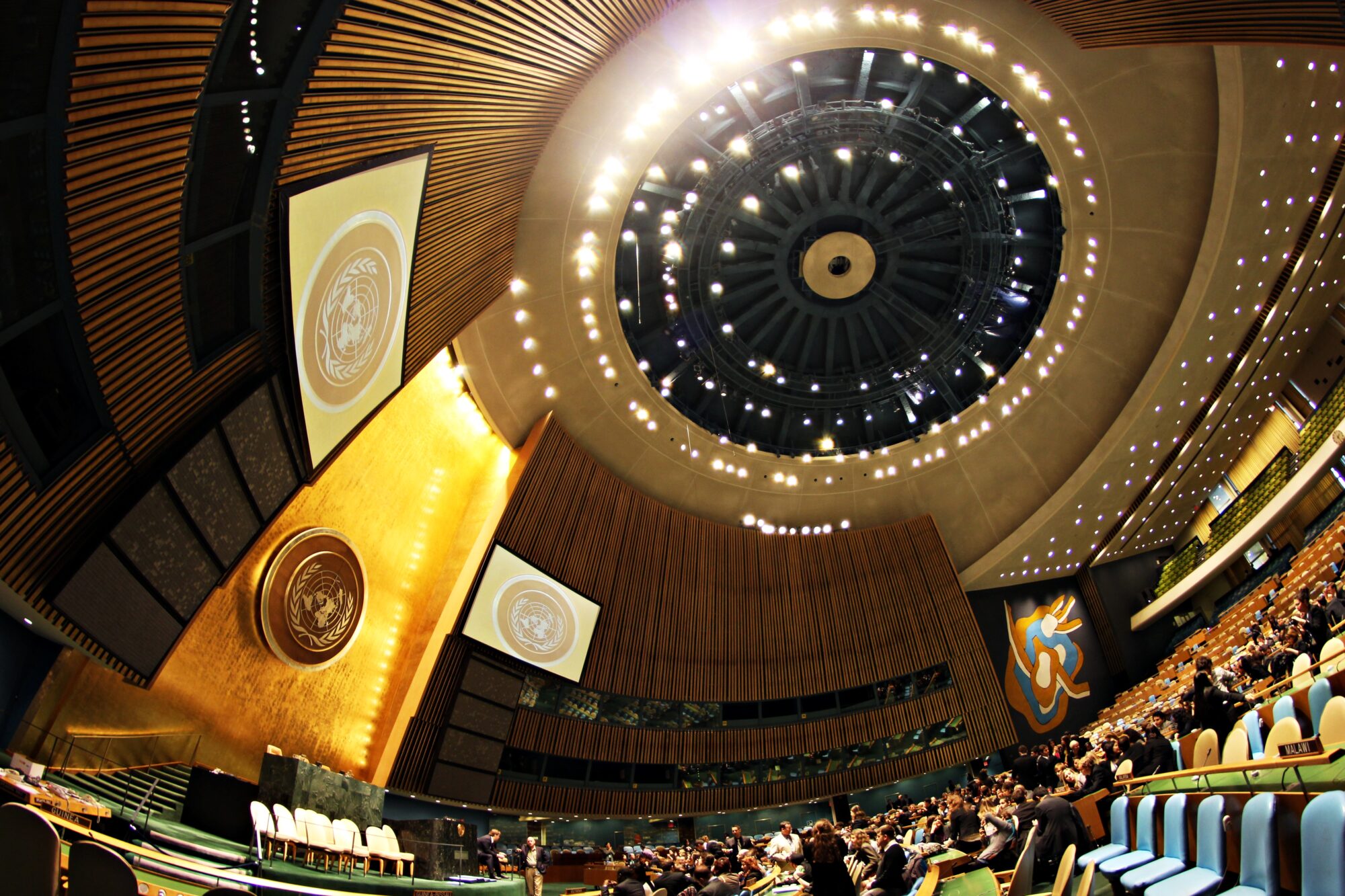
UN News reported on 2 October 2026 on an Information Integrity Solutions Dialogue co-hosted by Brazil, the UN Secretariat, the UN Development Programme (UNDP) and UNESCO. According to the report, the event examined how the UN Global Principles for Information Integrity and the Global Digital Compact are being put into practice. UN News defined information integrity as ensuring reliable and accurate information is available to all, allowing people to make informed decisions.
Melissa Fleming, UN Under-Secretary-General for Global Communications, told the gathering that a handful of companies still dominate and shape the global information architecture, according to UN News. She said the crisis has grown but so has the resolve to address it. UN News also reported calls for a Global Information Integrity Exchange (GIIEx) to connect practitioners, researchers and policymakers, and for a pan-African UN-African Union conference on information integrity. Other calls, it said, included greater exchanges of knowledge across regions and sectors, increased investment in existing solutions and stronger protections for information integrity defenders.
Reading the Outcome
The shape of the proposals is instructive. Principles and a digital compact set out what governments and institutions have agreed in broad terms. The ideas reported from this dialogue are of a different kind: an exchange to connect people, a regional conference, more investment and protection for defenders. They are practical and, on the face of the report, about capacity and coordination rather than new rules.
One reading is that the agenda has moved from agreeing what is desirable to working out who does what. Another, more cautious, is that the proposals, as reported, are calls and ideas rather than commitments. The coverage reviewed does not mention funding amounts, dates or binding decisions arising from the dialogue, so it is too early to say whether any of the proposals will take shape. The gap between a call for “increased investment” and an actual budget is where such efforts have to prove themselves.
Why It Matters
The dialogue shows the UN trying to turn agreed language into working networks, and it names the central tension itself: the people defending reliable information are, in Ms Fleming’s reported words, still underfunded and under attack, while the platforms that shape what people see are concentrated in a few hands. Whether the proposed exchange and regional conference change that balance will depend on resources and follow-through that the report does not yet describe.



Leave a Reply