

Kenya has confirmed its first case of Ebola after a Kenyan citizen who had been living in the Democratic Republic of the Congo returned to Nairobi and died, according to the Associated Press and Al Jazeera. The confirmation was announced on Tuesday 6 October 2026.
The Associated Press reported that the man had been residing in Congo for the past seven years and fell ill about a month ago. It said he was treated at various hospitals before travelling by road to Kampala, Uganda, where he boarded a flight to the Kenyan capital, arriving on Saturday afternoon. Aden Duale said the man had been isolated and treated at Nairobi Hospital, where he tested positive for the Ebola virus and died late on Monday, the AP reported. Al Jazeera described Duale as Kenya’s Health Secretary.
Contact Tracing and Quarantine
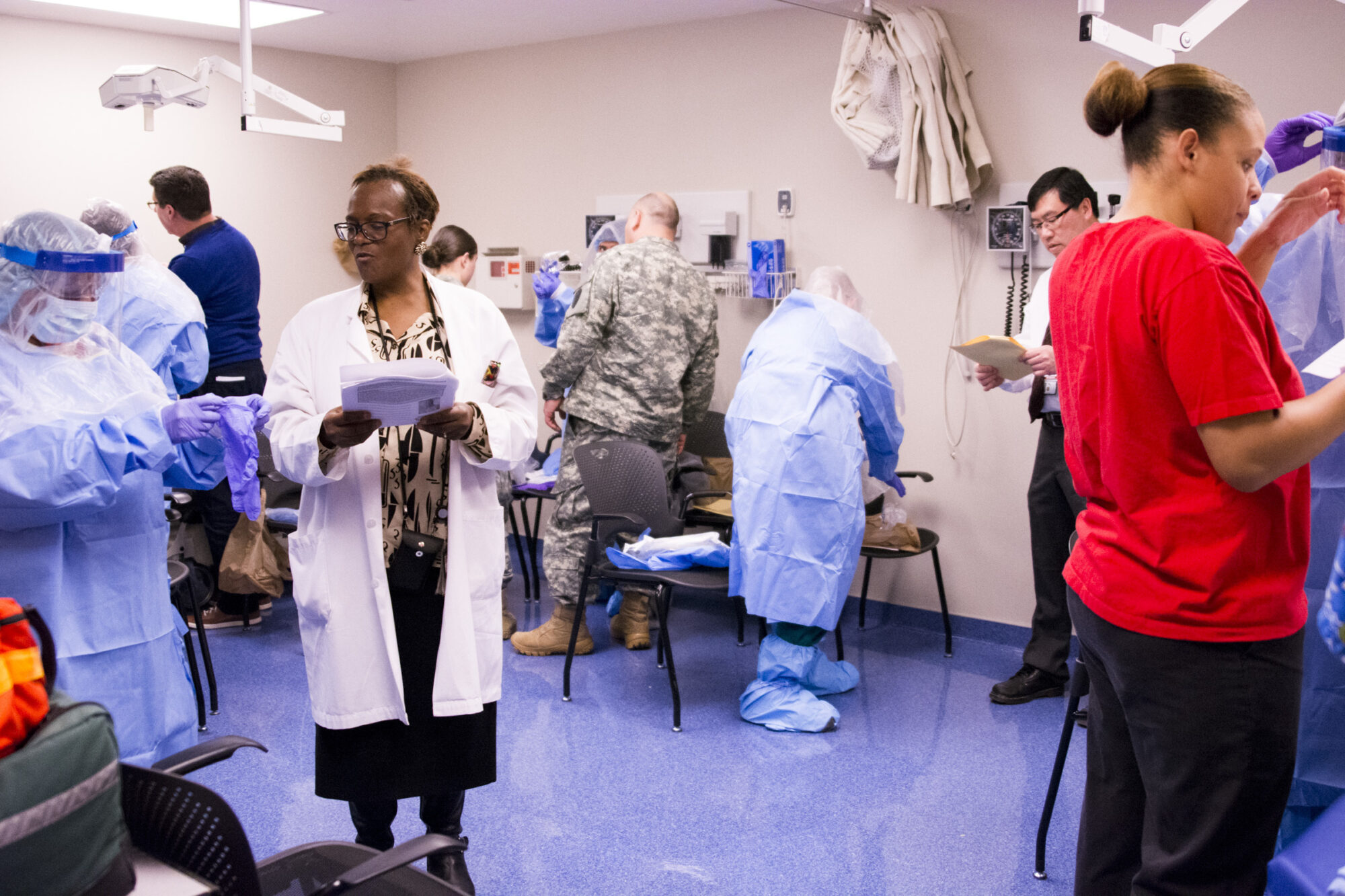
According to the AP, 28 contacts of the man, including family members and health workers who cared for him, had been identified, and another 23 passengers on the flight and four crew members were being traced. Al Jazeera reported that President William Ruto said at least eight family members of the victim and 21 healthcare workers had been quarantined.
The Outbreak in Congo
The AP reported that at least 8,400 cases, including more than 4,000 deaths, have been recorded in Congo, according to government data. Al Jazeera gave a slightly different figure, saying confirmed cases have reached 8,300 across seven provinces and describing the outbreak as the worst Ebola epidemic in the country’s history. It also reported that the World Health Organization has warned the epidemic is “far from over” and on track to surpass the 2014-2016 West Africa outbreak.
Why It Matters
A single imported case is a test of preparedness rather than evidence of local spread, and the reports so far describe the response as tracing and quarantining contacts. The differing outbreak figures between outlets are a reminder that case counts in a fast-moving epidemic are revised often. What matters next is whether the traced contacts, including those on the flight, remain well, and how quickly health authorities in Kenya and neighbouring countries share information.



Leave a Reply