

The United Nations Assistance Mission in Afghanistan (UNAMA) has verified that at least 52 women and one girl were arrested or detained in Herat and Kabul between July and September 2026, according to UN News, which reported the mission’s statement on Thursday 8 October. UNAMA said other women were threatened with arrest and that the true number could be far higher because fear and stigma discourage reporting.
Dress-Code Detentions
According to UNAMA, the arrests were linked to alleged violations of the de facto authorities’ dress code requirements. Many of the women were reportedly detained for not wearing a chador, for having visible hair, for wearing colourful scarves or make-up, or for being in public without a mahram, or male guardian. The mission said the women were released after spending several hours in detention.
UNAMA also said it was alarmed by incidents of verbal abuse, beatings and threats against women, including female shopkeepers. It stated that such acts violate the rights of women and girls to freedom of movement, expression and autonomy, and that arrests and detentions expose them to severe social stigma and further marginalisation. The mission urged the de facto authorities to stop discriminatory enforcement practices targeting women and girls and to uphold Afghanistan’s obligations under international human rights law. UN News noted that since the Taliban seized power in 2021, the rights of women and girls have been severely restricted, keeping them from secondary education and jobs.
Returnees Face Obstacles
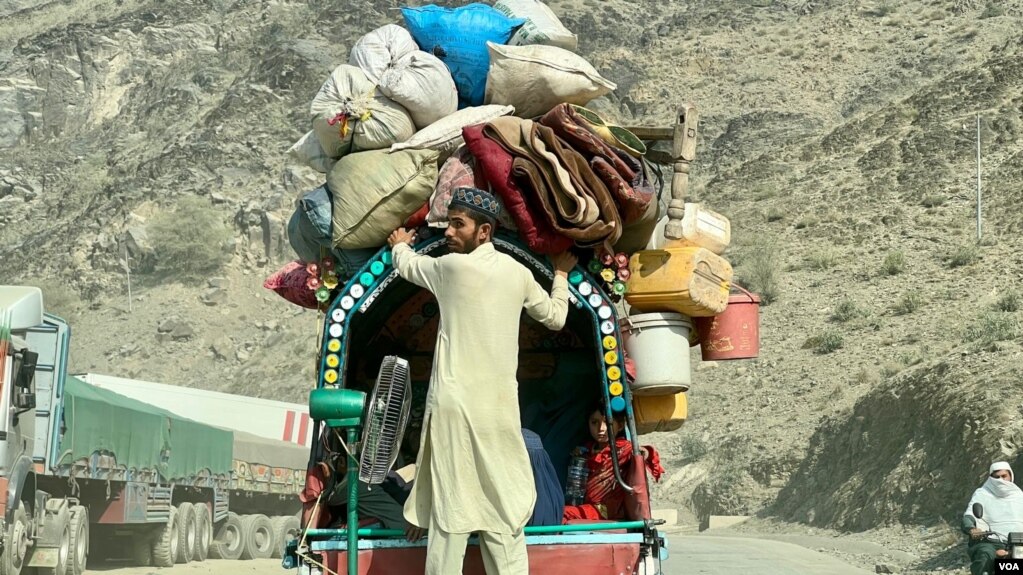
The same UN News report covered new findings from the International Organization for Migration (IOM) on the needs of nearly 6.5 million Afghans who have returned from Iran and Pakistan since 2023. IOM’s Returnee Resilience Overview examined returnees who had been in Afghanistan for at least eight months. Among those aged 14 and above, 53 per cent had no completed education, half had no specialised experience and 69 per cent had not been employed in the 30 days before their interview, IOM reported.
The findings also showed that 77 per cent of respondents lived in transitional shelters and 51 per cent lacked sufficient living space. Only 21 per cent of household respondents said all household members had documentation, while 43 per cent lacked the documentation needed to access relevant services.
“Afghanistan is receiving returnees at a scale and pace that requires sustained support beyond the point of arrival,” said Mihyung Park, IOM’s chief of mission in the country. IOM called for area-based reintegration approaches that strengthen livelihoods, shelter, documentation support and access to basic services for returnees and host communities.
Why It Matters
The two UN findings describe pressures on the same population: women whose movement in public is restricted, and a large returning population needing housing, work and papers. How far support can be sustained will shape whether returnees can settle, as IOM puts it, beyond the point of arrival.



Leave a Reply