

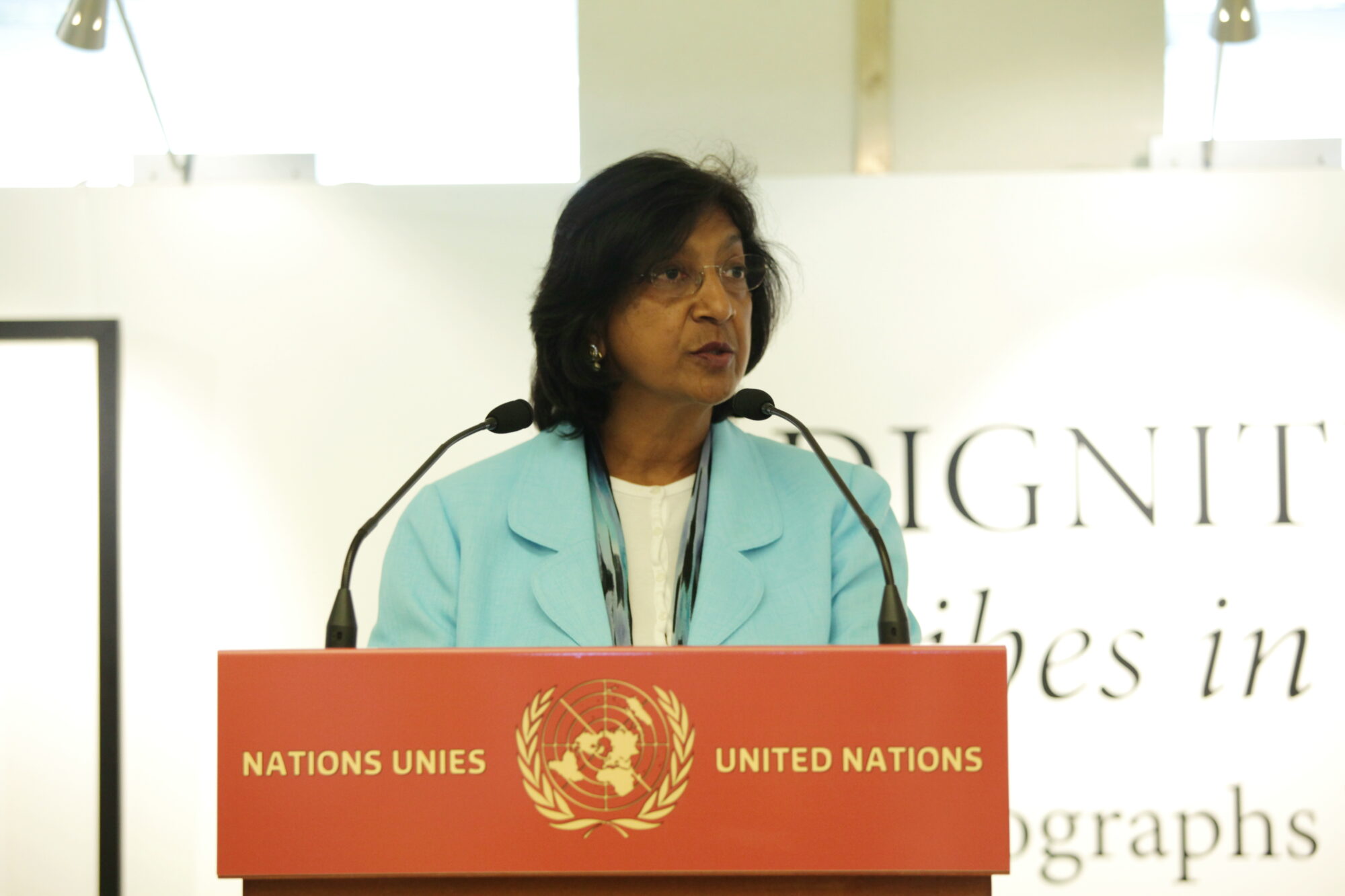
The Norwegian Nobel Committee announced on Friday 9 October 2026 that the Nobel Peace Prize for 2026 goes to Navanethem “Navi” Pillay, a South African jurist, “for her efforts to promote peace and international law”, according to the committee’s press release on NobelPrize.org.
The committee described the laureate as a person who “with exceptional courage and integrity has led the way towards a more comprehensive global legal order” and who has been “instrumental in ensuring that war crimes, crimes against humanity and genocide are prosecuted”.
A career on the bench
According to the committee, Pillay was born into a family of Indian Tamil origin in Durban under apartheid, became a lawyer and went on to confront structural discrimination. It says a common thread runs from her early work defending Nelson Mandela and others who opposed apartheid to her service as a judge in key international cases.
The committee lists her posts as a judge on the High Court in South Africa, the International Criminal Tribunal for Rwanda and the International Criminal Court. She was also United Nations High Commissioner for Human Rights and, until recently, chaired the UN Independent International Commission of Inquiry on the Occupied Palestinian Territory. Today she is a judge at the International Court of Justice in the case in which Myanmar stands accused of genocide, the committee said.
It singled out her influence on the Rwanda tribunal’s finding that rape and sexual violence could constitute a crime against humanity as well as genocide, and her role in a case in which, for the first time, a defendant faced charges of incitement to commit genocide purely on the basis of spreading propaganda.
Reaction
Al Jazeera reported that Pillay, who it said appeared to learn of the award as media reports circulated, later said she would dedicate it to “all of the survivors of international crimes”. The same report quoted UN human rights chief Volker Turk, who called the award “a recognition, a reaffirmation that human rights, the rule of law and justice and accountability are fundamental to everything”, and South African President Cyril Ramaphosa, who praised her “courage, integrity and lifelong commitment to justice”. Al Jazeera described her as the fifth South African to win the prize.
The committee said the choice comes as the system of international law “is under tremendous pressure, and its institutions are under attack”, and noted that judges are being sanctioned.
Why It Matters
The Peace Prize has often doubled as a statement about the moment in which it is awarded. By honouring a judge rather than a negotiator or campaigner, the committee has placed the credibility of courts and legal institutions at the centre of this year’s debate about how conflicts should be restrained. How governments respond to that message, and to the pressure on international tribunals that the committee itself highlights, will shape whether the award is read as encouragement or as a warning.



Leave a Reply