

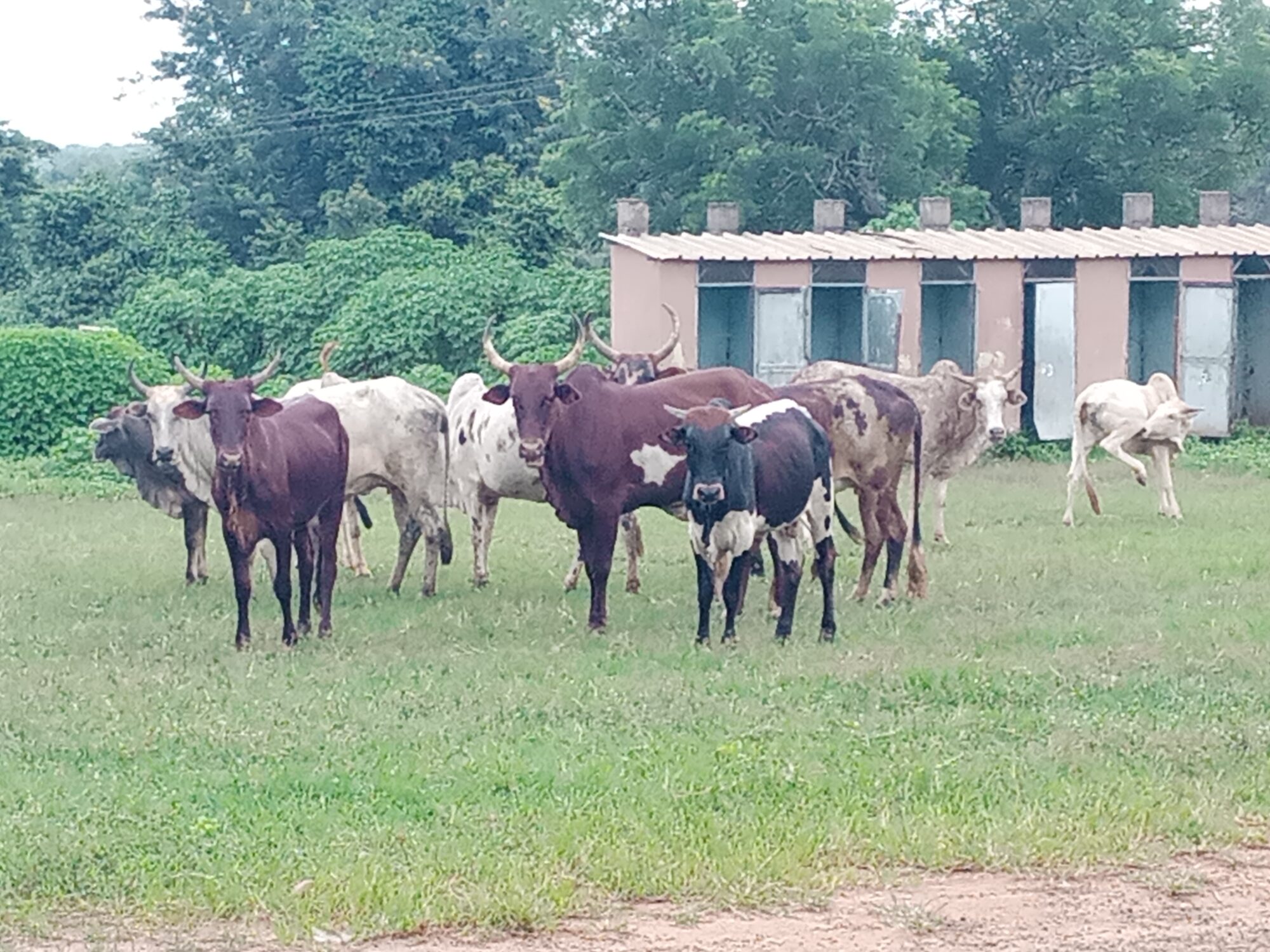
A rehabilitated agropastoral dam in the village of Torla, in northern Côte d’Ivoire, is helping ease dry-season disputes between herders and farmers, according to a feature published by UN News on 10 October 2026. The dam was completed this August and is supported by the International Organization for Migration (IOM), the UN Peacebuilding Fund and partners.
UN News said the dam is managed locally by the community. Its stated goal is to prevent conflicts linked to competition over natural resources and to boost community resilience.
Why Water Had Become a Flashpoint
The report described a familiar dry-season strain across much of northern Côte d’Ivoire, where seasonal movement of livestock and expanding farmland compete for the same ground. As grazing land and water points dry up, herders have to push cattle farther from the village, often through cultivated fields. Damaged crops, UN News said, have led to disputes with farmers.
Adam Ouattara, who has led the local herders’ association since 2021, explained that during the rainy season farming expands and leaves less space for livestock, so animals sometimes have to move towards the borders to find pasture. According to the report, the dam now holds more water and releases it more reliably through the dry months, for livestock and irrigation alike.
What Residents Say Has Changed
Ouattara told UN News that confrontations have become less frequent. “Today, we sit together and discuss,” he said. Makongo Traoré, who grows aubergines, okra and tomatoes on a small plot near the village, said a steadier water supply has allowed her to expand her vegetable plot, and that the work now supports her children’s schooling. UN News added that reliable water also means new opportunities for women in the community in market gardening, which it described as an important source of household income in the area.
UN News said that community dialogue and shared management of resources have begun in Torla as a result. The feature relies on the accounts of residents and the UN-backed project; it did not provide independent data on the number of disputes before and after the dam, and the sources reviewed did not give the project’s cost.
Why It Matters
Competition for water and grazing land between pastoralists and farmers is, as UN News describes it, a familiar dry-season strain across much of northern Côte d’Ivoire, and the Torla example shows how a practical water project can be framed as peacebuilding. UN News says such challenges highlight the importance of investments that support both farming and herding while promoting peaceful coexistence. Whether the improvement lasts through repeated dry seasons, and whether similar projects are extended to other communities, will indicate how far this kind of approach can reduce conflict risk at the local level.



Leave a Reply