

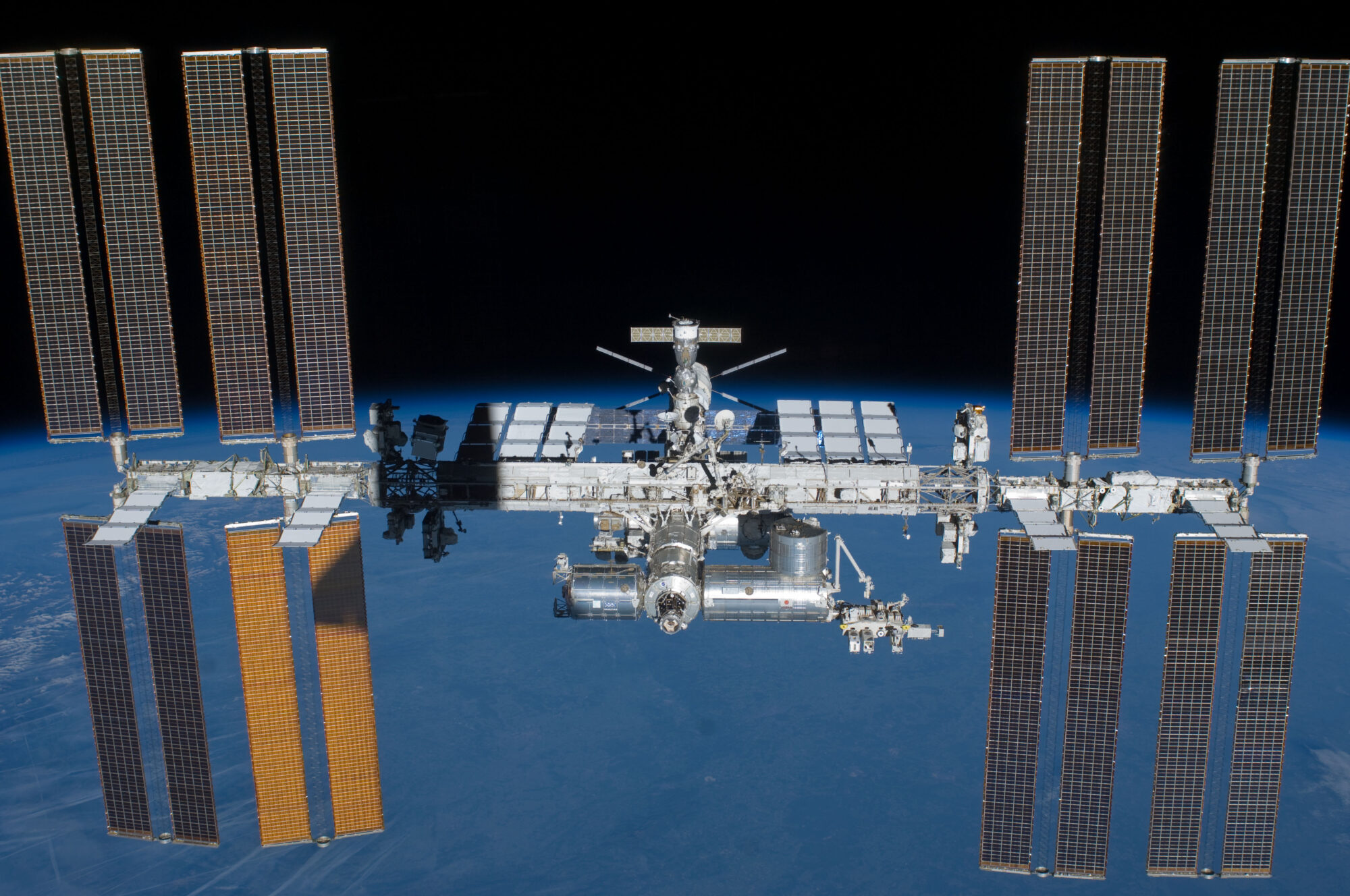
This is an analysis piece. It offers the author’s interpretation of a verifiable development: an interview with European Space Agency (ESA) Director General Josef Aschbacher, published by Euronews on 11 October 2026 as part of its Big Question series, in which he set out a plan for Europe to be able to launch its own astronauts.
The Development
According to Euronews, ESA has relied on international partners, including NASA and Russia, for astronaut launches since its first astronaut mission in 1983, and today ESA astronauts travel on a US spacecraft. The outlet said only the US, China and Russia can currently launch astronauts. Aschbacher said SpaceX has announced that it wants to decommission Falcon 9 and Crew Dragon, probably around 2029, which would leave Europe without that capability and with uncertainty about what may replace it.
Aschbacher estimated that with a budget of around €10 billion, ESA could develop independent capabilities in the next 10 years, Euronews reported. The outlet said Europe lacks its own crew vehicle and recovery system, and that the plan needs political approval from ESA’s member states to secure funding. It noted that member states gave ESA budget commitments of more than €22 billion at its 2025 ministerial council, which Euronews described as a record and a 32 per cent increase on 2022.
Reading the Plan
Two features stand out in the author’s reading. The first is how the argument is framed. Aschbacher presented the €10 billion as an alternative to money Europe expects to spend anyway. The International Space Station is due to be decommissioned in 2032 and is likely, Euronews said, to be replaced by a commercial station, and he estimated that buying seats on US spacecraft and renting facilities would cost around €5 billion over the next 10 years. His point, as quoted, was that such money is “spent not in Europe”, whereas investing it at home would strengthen European industry. Whether member states accept that comparison is a political judgement that the interview cannot settle.
The second is the stress on partnership. Aschbacher said the aim is not isolation but strength, and suggested a seat could be offered to colleagues from Japan or Australia. That positions autonomy as a way to be a stronger partner rather than to leave existing arrangements, a distinction that will matter to ESA’s international collaborators.
Why It Matters
The proposal links two debates: how much Europe should invest in its own capabilities, and how far geopolitical tension should shape access to space. It is so far an estimate and a plan rather than an approved programme, so the decisive step is whether member states commit funding. Until then the €10 billion figure and the 10-year timetable remain the ESA chief’s own estimates.



Leave a Reply