
This is an analysis piece. It offers the author’s interpretation of one reported development: a visual explainer published by Al Jazeera on 13 October 2026, timed to African Energy Week, which brings energy ministers, investors and oil executives to Cape Town until 16 October.
The Reported Facts
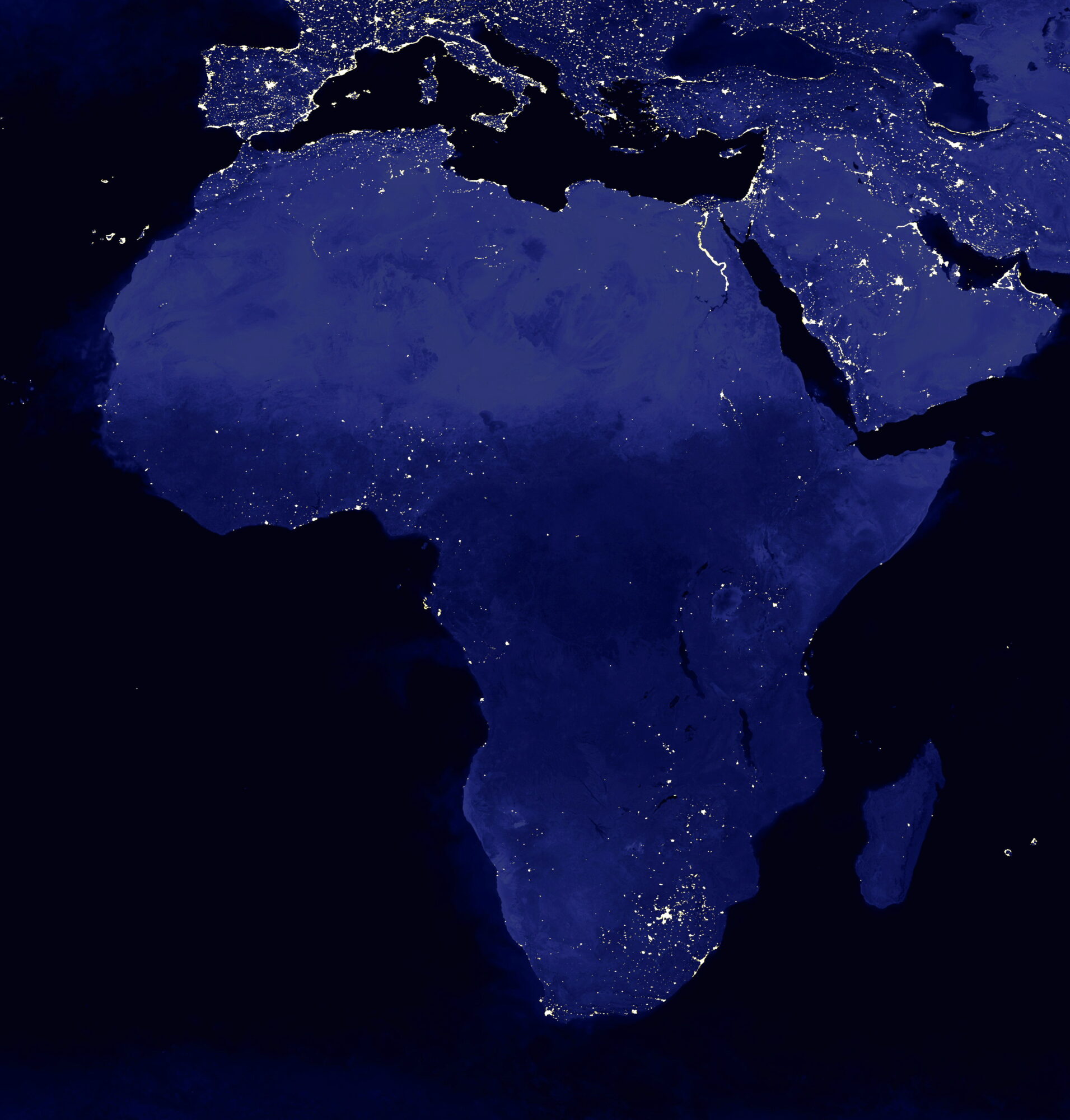
Al Jazeera reports that Africa holds about 125 billion barrels of proven crude oil reserves, 7.2 per cent of the global total, and that in 2025 African countries accounted for 71.2 per cent of global cobalt production and 72.4 per cent of manganese production. Yet more than 560 million people in sub-Saharan Africa lack access to electricity, about 86 per cent of the global total, according to the World Health Organization, as cited by the outlet.
Access varies widely. Six countries reported universal access in 2024: Algeria, Egypt, Mauritius, Morocco, Seychelles and Tunisia, home to about 215 million people, or roughly 14 per cent of Africa’s population. Elsewhere the figure was 5.4 per cent in South Sudan, 15.6 per cent in Malawi and 22.5 per cent in the Democratic Republic of the Congo, even though the DRC generates all its power from renewables. Nigeria, at 62.5 per cent, has roughly 85 million people without electricity, the largest number of any country in the world, the report says.
The Argument: Three Different Questions
Analysis: The explainer’s numbers suggest that Africa’s energy problem is not one of resources. Reserves, electricity generation and household access are three separate questions, and progress on one does not guarantee progress on the others.
Three pairings in Al Jazeera’s data support that reading. Nigeria was Africa’s largest oil producer in 2024, according to the report, yet it has the largest number of people without electricity of any country. The DRC produces all its electricity from renewables, yet fewer than a quarter of its people have access. And Algeria, which reports universal access, is among the countries where renewables made up less than 5 per cent of electricity and which rely mainly on gas or oil. In each case a headline strength sits beside a different outcome for households.
A second reading concerns how access is counted. A national percentage and a headcount can tell different stories: Nigeria’s 62.5 per cent access rate does not on its own reveal that it also has the world’s largest number of people without power. Al Jazeera adds that in rural areas, where access is far lower than in cities, many families still rely on kerosene lamps, candles or torches after dark.
Why It Matters
The conference, according to Al Jazeera, focuses on investment in oil and gas, energy finance and ending energy poverty. If the data are read as above, the measure of the week’s success would be connections made rather than barrels or megawatts announced. The explainer does not say what ministers will decide or what finance will be committed, and those outcomes are not yet reported. The test to watch is whether any announcements are stated in terms of people reached.



Leave a Reply