

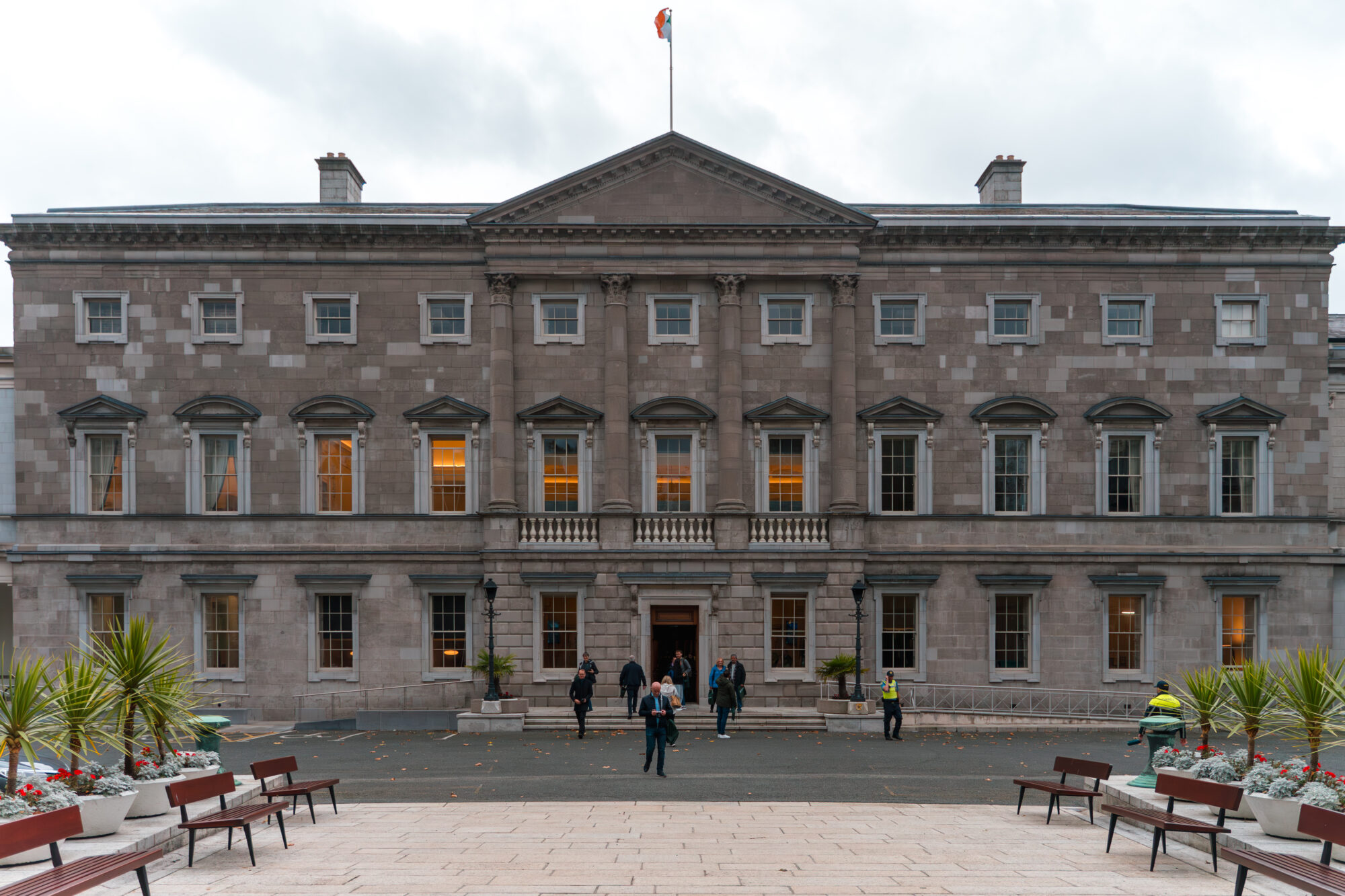
Public sector workers across Ireland stopped work on Wednesday 14 October in a one-day strike over a stalled pay deal. The Irish Times estimated that around 300,000 public and civil servants took part, describing it as the biggest public sector strike seen in the country for almost two decades.
According to the newspaper’s live coverage, about 100,000 of those on strike were teachers and lecturers from the INTO, ASTI, TUI and IFUT unions, joined by nurses, civil servants and Garda civilian staff.
What the Dispute Is About
The Public Service Agreement 2024 to 2026 expired in June. Unions say pay must be dealt with first in any new negotiations, and point to the cost of living, inflation and housing costs. On the eve of the strike, Public Expenditure Minister Jack Chambers told RTÉ that pay could be the starting point for talks, a move that ASTI general secretary Linda Kelly described as “too little, too late”.
Taoiseach Micheál Martin said on the day that the Government is “open for negotiations and open for dialogue” and pointed to the budget funding set aside for a pay deal, which he has put at €1.2 billion. The INTO’s John Boyle disputed that, saying €2 billion had been signalled for pay before the budget but €1 billion was made available, plus €0.2 billion for pensions.
Disruption on the Day
Most schools, colleges and universities were closed, as were courts and public counters apart from limited emergency categories, according to the Irish Times. The HSE said hospitals “remain very busy” and that emergency and critical care were being prioritised, while the Irish Times reported that elective procedures and thousands of appointments were postponed.
Second Strike Suspended
Unions had planned a second 24-hour strike for Wednesday 21 October. On Friday 16 October the Irish Times reported that the Public Services Committee of the Irish Congress of Trade Unions had agreed to suspend it, while work-to-rule action continues. The Government said it would enter a “focused and intensive exercise” with unions, assisted by Workplace Relations Commission chairman Kevin Foley, to agree a basis for formal negotiations.
RTÉ reported on Saturday 17 October that formal talks would begin at the WRC on Monday 19 October. A statement from Foley, ICTU general secretary Owen Reidy and Oonagh Buckley of the Department of the Environment said the discussions “should commence with pay related matters”. Siptu’s Adrian Kane said further strikes were not wanted but remained an option, as next week’s had only been suspended.
Why It Matters
The dispute is as much about the order of negotiation as the size of any rise. The talks are due to start with pay-related matters, but unions say the second strike is only suspended, so the outcome at the WRC will determine whether schools, courts and hospitals face disruption again.



Leave a Reply