
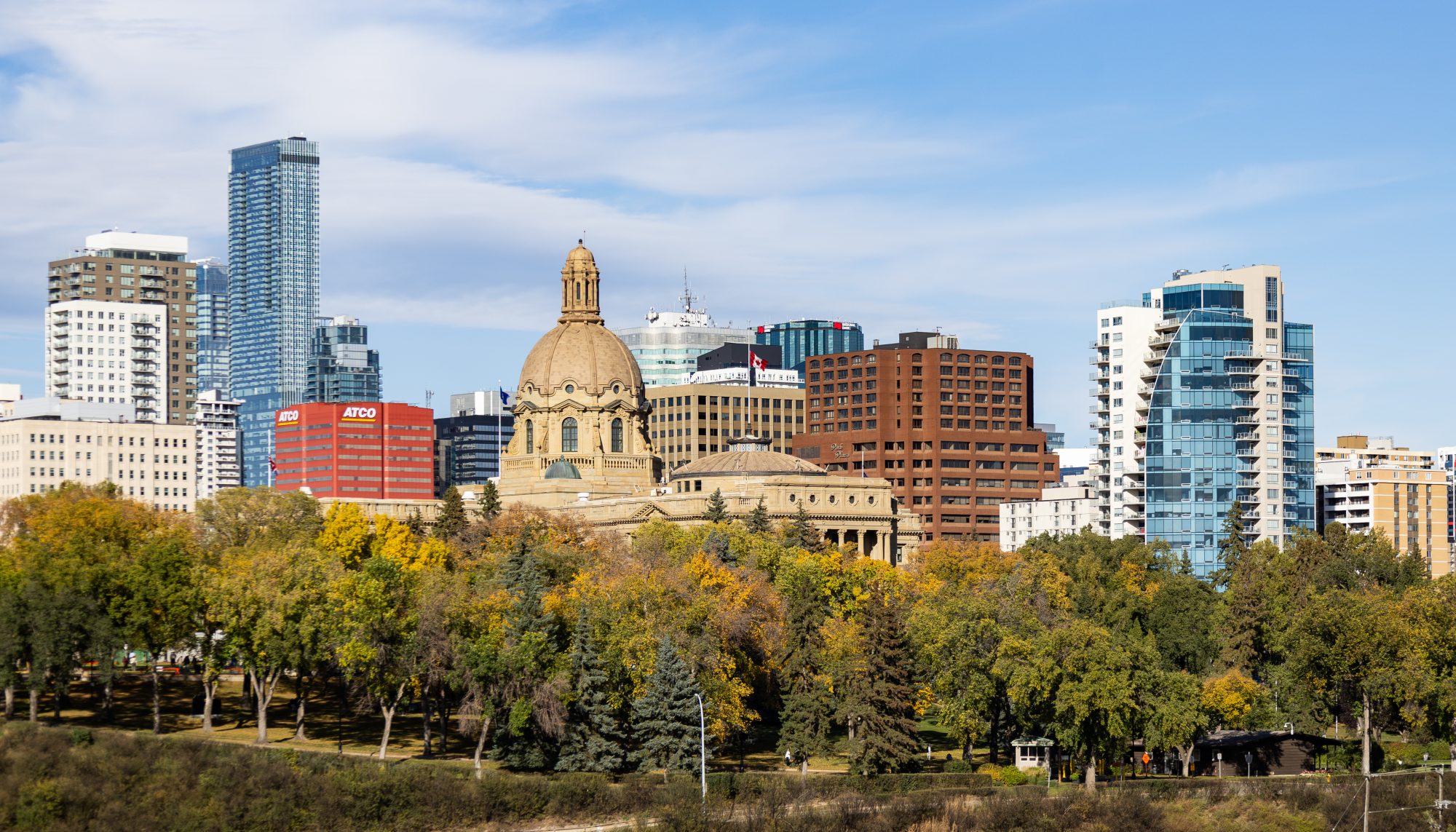
Albertans have rejected beginning a process that could lead to separation from Canada, according to preliminary results from the province’s referendum on Monday 19 October 2026. Al Jazeera reported that, with about 1.8 million votes counted, roughly 76 per cent backed remaining in Canada and 24 per cent supported starting a process that could lead to separation. It described the vote as Alberta’s first referendum on separation and said it was not a direct vote on independence.
Reactions to the Result
Premier Danielle Smith, who called the referendum to settle a divisive issue, said she voted against independence, Al Jazeera reported. The Hub says she told Albertans in a televised address on Tuesday evening that the separation debate was over and that she would not call another separation referendum while she is premier.
Prime Minister Mark Carney welcomed the outcome. In a statement on X, quoted by Al Jazeera, he said Albertans “chose unity”. Jeffrey Rath of the Alberta Prosperity Project, which supports independence, said the push would continue and that the group had learned lessons from the campaign, according to Al Jazeera.
The Nine Other Questions
The ballot also carried nine further questions, five on immigration and four on constitutional matters. The Hub reported unofficial figures early on Wednesday 21 October, with counts between 63 and 90 per cent complete, and said the yes side led on eight of the nine.
The strongest result, it said, was 62.4 per cent for requiring proof of citizenship to vote in provincial elections. The four constitutional questions ranged from 48.5 to 52.8 per cent, and the only question trailing was the one on letting provinces opt out of federal programmes without losing funding. The Hub said figures could still change.
Reactions were divided. NDP leader Naheed Nenshi, who like Mr Carney had urged a no vote on all nine, said the margins fell short of a mandate. Colin Aitchison, a former press secretary to the governing United Conservative Party, argued that governments often act on less than half the vote, The Hub reported. Mr Carney said Ottawa would take the results into account, but described amending the Constitution as a difficult and drawn-out process and said next steps on immigration would require discussions with the provinces.
Ms Smith said her government would act on immigration reforms over the coming months and years and take the results into talks with Ottawa and other provinces, according to The Hub, which added that much of the constitutional work will probably wait until after next year’s provincial election. Official results are due on 29 October.
Why It Matters
The separation question has been put to voters and answered, at least for now, though organisers say their movement will continue. Attention may now turn to the nine other questions, where unofficial leads were narrower, one question was trailing, and constitutional change would need agreement beyond Alberta.



Leave a Reply