

This article is an opinion and analysis piece. It reflects the magazine’s reading of a news development and should not be taken as a finding of fact about any company.
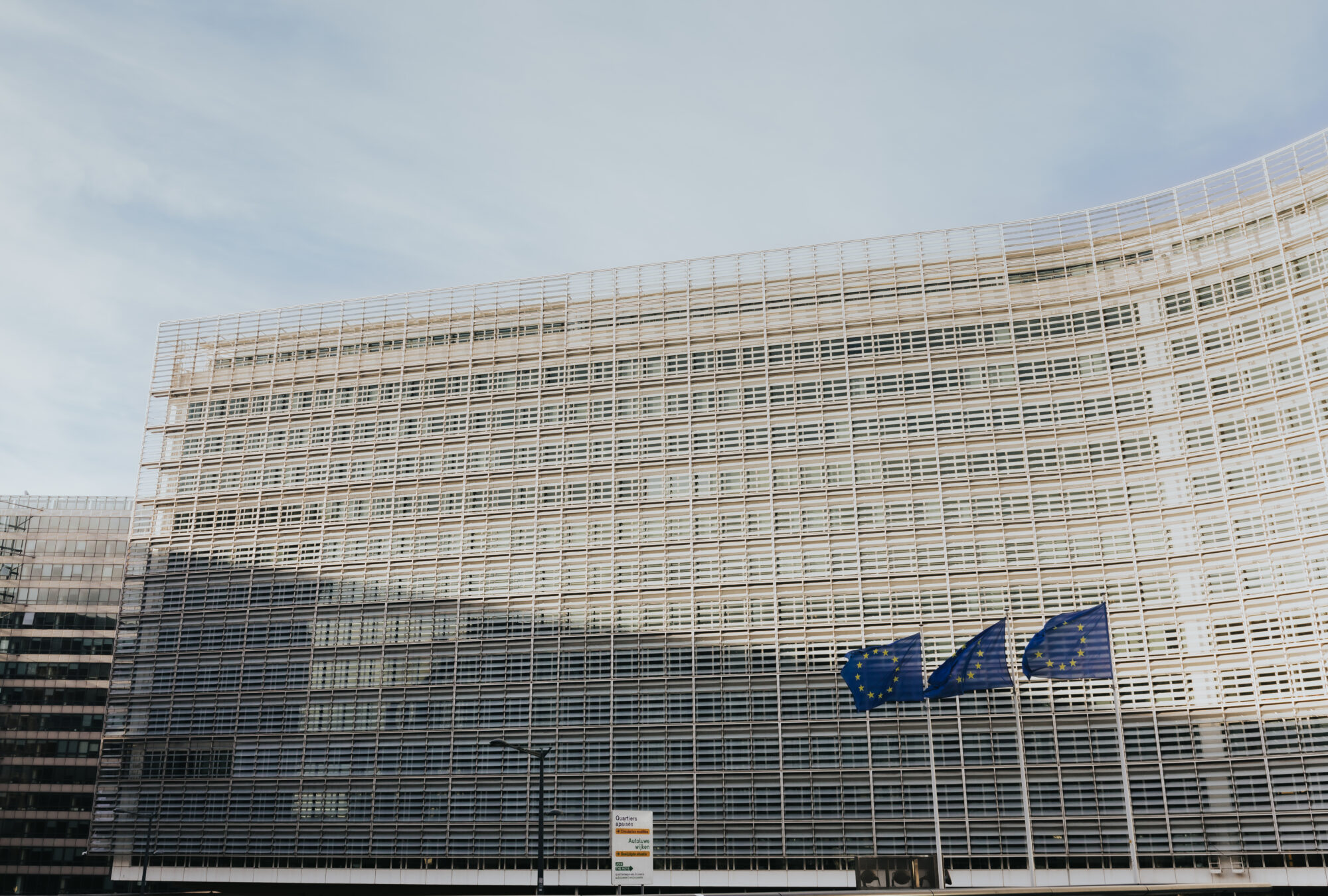
On Wednesday 21 October the European Commission announced that it had opened formal proceedings to assess whether Booking.com breached the Digital Services Act (DSA). According to the Brussels Times, the concerns centre on the platform’s handling of fraudulent listings and phishing scams, and on whether some paid, higher-ranked listings are clearly labelled as advertising. The Commission said that opening proceedings “does not prejudge the final outcome”. Booking.com has not been found to have breached the DSA, and this article does not suggest that it has.
Three Questions for the Platform
The Commission’s first question is whether Booking.com properly assessed the risks from fake listings, including non-existent properties, impersonation fraud and non-compliant accommodation offers, and whether its removal measures work. The second is whether the sharing of reservation and guest data with accommodation providers, the design of its messaging service and its safeguards against fraudulent payment requests are adequate. The third is whether “boosted” listings, which rank higher because providers pay higher commissions, are identifiable as ads, and whether users can see who paid for them and why they are being shown.
Booking.com has been designated a Very Large Online Platform under the DSA since 25 April 2023, which is why these obligations apply to it. The Commission can request more information and carry out interviews or inspections as the case proceeds.
A Balanced Reading
There are fair arguments on each side. Online travel platforms connect millions of hosts and guests, and no marketplace can verify every listing perfectly; a regulator that expects zero fraud would be setting an impossible standard. Opening proceedings is also a procedural step, not a verdict, and the company is entitled to respond.
Yet the DSA was designed around a different question: not whether harm ever occurs, but whether very large platforms assess systemic risks and take reasonable, effective steps to reduce them. Travel fraud is a useful test case because the harm is concrete. A guest who pays for a stay that does not exist can lose money and a holiday, and phishing messages can be hard for ordinary users to spot. The Commission has made no finding that any of this happened on Booking.com.
Why It Matters
The case will help define how “systemic risk” is applied to a commercial marketplace rather than a social network, and how far responsibility for scams extends when a platform both hosts listings and earns more when some are promoted. For the hospitality industry, whose independent hotels and hosts depend on these platforms, the outcome could shape expectations about verification, data sharing and transparent ranking. In our view, clearer labelling of paid placement is the least contentious of the three issues, while fraud prevention will be the hardest to measure. Readers should watch for the Commission’s findings, which could take considerable time, before drawing conclusions.



Leave a Reply