
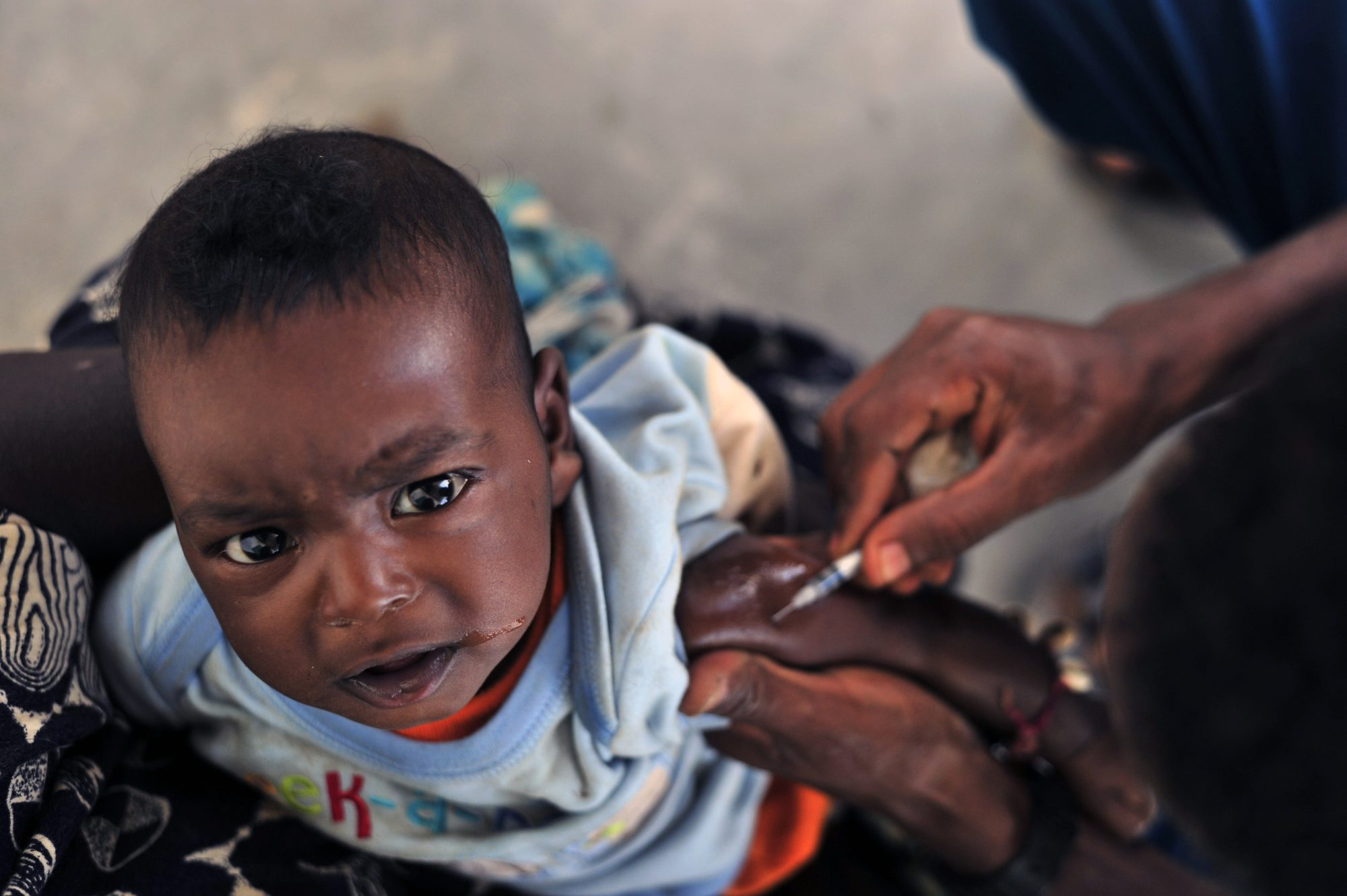
Gavi, the Vaccine Alliance, and UNICEF have secured an agreement to cut the price of the RTS,S/AS01 malaria vaccine by approximately 40 per cent, bringing it to EUR 5.50 per dose, according to a UNICEF news note issued on 22 October 2026 from Copenhagen, Geneva and New York. The note says the agreement was enabled through an advance payment by the International Finance Facility for Immunisation (IFFIm), and that the lower price is expected to take effect by early 2027.
What the agreement covers
UNICEF and Gavi say the deal is expected to save about US$50 million between 2027 and 2029 for childhood immunisation programmes and could protect up to one million more children with the full four-dose course. The note adds that the arrangement is subject to regulatory and manufacturing milestones. These include World Health Organization prequalification of a new manufacturing facility that is meant to provide greater supply capacity, and they must be met before UNICEF begins procuring doses.
The malaria vaccine programme is now part of routine immunisation in 25 African countries, which UNICEF says bear more than 70 per cent of the global malaria burden. To date, more than 74 million doses have been procured and delivered by UNICEF, the note says. Leila Pakkala, Director of UNICEF’s Supply Division, called the agreement “an important step towards protecting more children from malaria”. An Vermeersch, Gavi’s Chief Vaccine Programmes and Markets Officer, described it as an example of what the Vaccine Alliance does best, and Georgina Baker, chair of the IFFIm board, said impact is at the heart of IFFIm’s mission.
The scale of the disease
The note cites estimates of 282 million malaria cases and 610,000 deaths worldwide in 2024. It says one child dies from malaria every minute, which amounts to nearly half a million deaths a year. According to UNICEF, a full course of four doses reduces malaria cases by about 75 per cent when it is given seasonally in areas of high seasonal transmission.
Why It Matters
In our view, price is one of the practical limits on how many children a vaccine programme can reach, so a cut of this size is significant for countries and donors planning budgets for 2027 and beyond. The note itself ties the saving to milestones that have yet to be met, including the approval of a new production facility, so the benefit is not yet secured. The figures on cases and deaths show why the pressure to expand coverage remains strong, and the coming months will show whether the conditions are met in time for the lower price to take effect.



Leave a Reply