
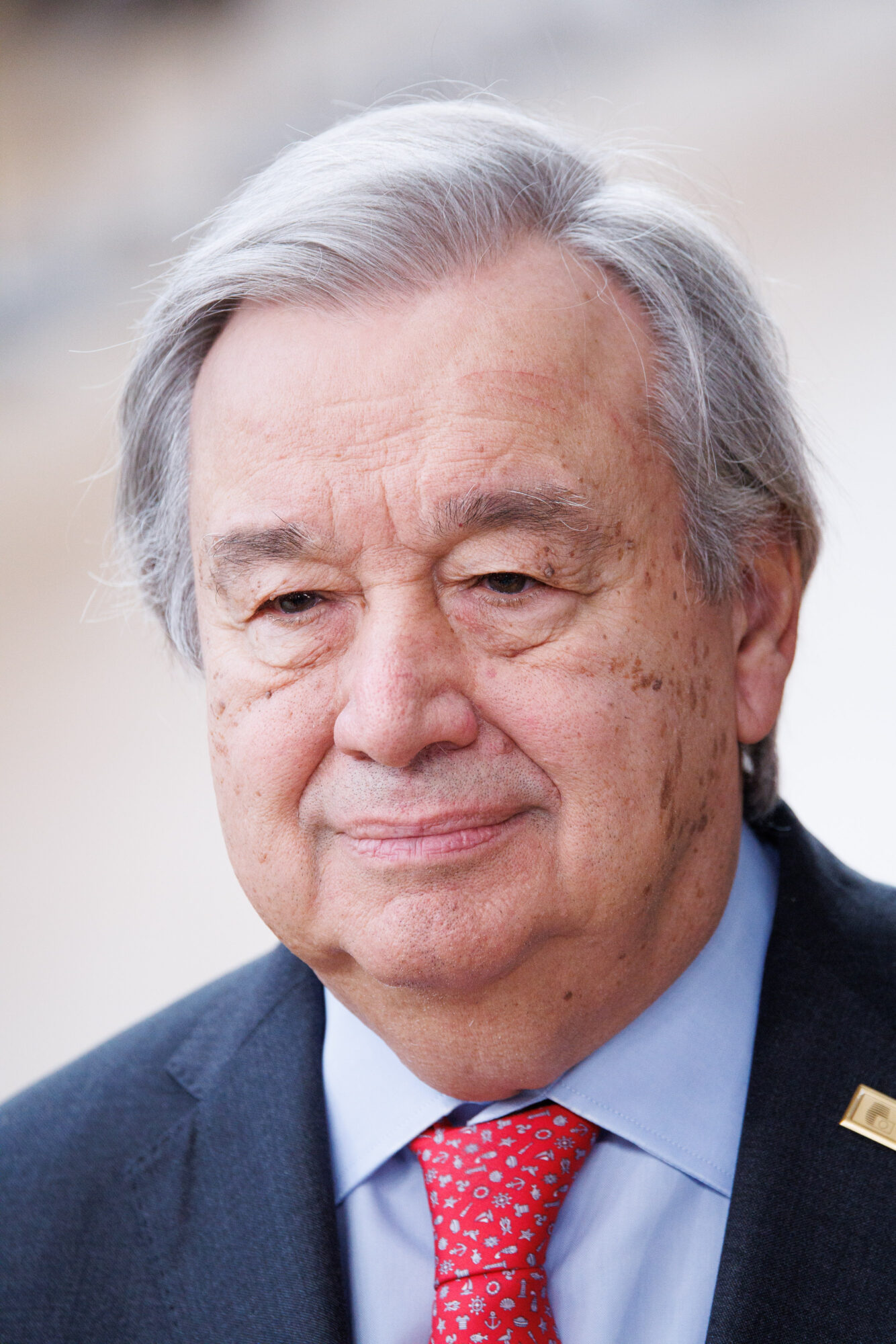
United Nations Secretary-General António Guterres has called on governments to look at street protests and armed conflict as part of the same global picture. Speaking to reporters in New York on Thursday 22 October, ahead of a visit to Egypt, he urged the international community to “connect the dots” between public anger over living costs and the spread of wars, according to UN News.
Protests and the Cost of Living
UN News reported that Mr Guterres condemned the violence and destruction seen during protests in France, Italy and elsewhere, and said those responsible for crimes must be held accountable. He also said the grievances of protesters should not be ignored, describing them as very real and peacefully expressed.
He pointed to rising food, fuel and other basic costs, higher interest rates and worsening prospects for young people as the backdrop. In his account, war does not create all these inequalities but feeds and exploits them, and the economic system forces those with the least to absorb the greatest shocks.
A Widening Conflict
The Secretary-General compared the way conflict is spreading to the El Niño weather pattern, saying the world is witnessing “an El Niño of war”, with effects reaching far beyond the battlefield, UN News said.
On the Middle East, he warned against a wider confrontation. He cited the escalation around the city of Taiz in Yemen and Houthi attacks on civilian targets in Saudi Arabia. On Gaza and the West Bank, he said Israel still severely restricts essential aid ahead of winter and that putting the Comprehensive Plan to End the Gaza Conflict into practice remains difficult. He also noted settler attacks in the West Bank and asked donors for $450 million for the World Food Programme to cover Gaza and the West Bank over six months. He reaffirmed his support for a two-State solution. Each of these points is as reported by UN News; the parties named have their own positions on them.
Mr Guterres also referred to Ukraine and Sudan, where, he said, civilian infrastructure is being deliberately targeted.
The Egypt Visit
According to UN News, his message in Egypt will centre on halting the widening of war, protecting civilians and creating space for diplomacy and peace.
Why It Matters
The Secretary-General’s framing links two debates that are usually kept apart: domestic discontent over prices and the international response to conflict. Whether or not governments accept his analysis, his argument is that economic strain at home can narrow the room for compromise abroad. His call for a funding commitment for Gaza and the West Bank, and his focus on diplomacy during the Egypt trip, show where he is directing attention. As with all statements of this kind, the substantive test will be whether donors and governments respond.



Leave a Reply