

Foreign ministers from Europe and the wider Middle East region met at a hotel in Istanbul on Friday 23 October and called for diplomacy rather than fresh military action in the conflict involving Iran, according to Al Jazeera. The broadcaster described the gathering as a first-of-its-kind attempt to discuss regional conflicts around one table.
Who Took Part
Al Jazeera reported that eight countries were represented: the E3 grouping of the United Kingdom, France and Germany, the so-called R4 group of Türkiye, Saudi Arabia, Pakistan and Egypt, and Italy. The article names the UK’s Ed Miliband only in a photo caption and carries no remarks from the German, Saudi, Pakistani or Egyptian ministers.
What Ministers Said
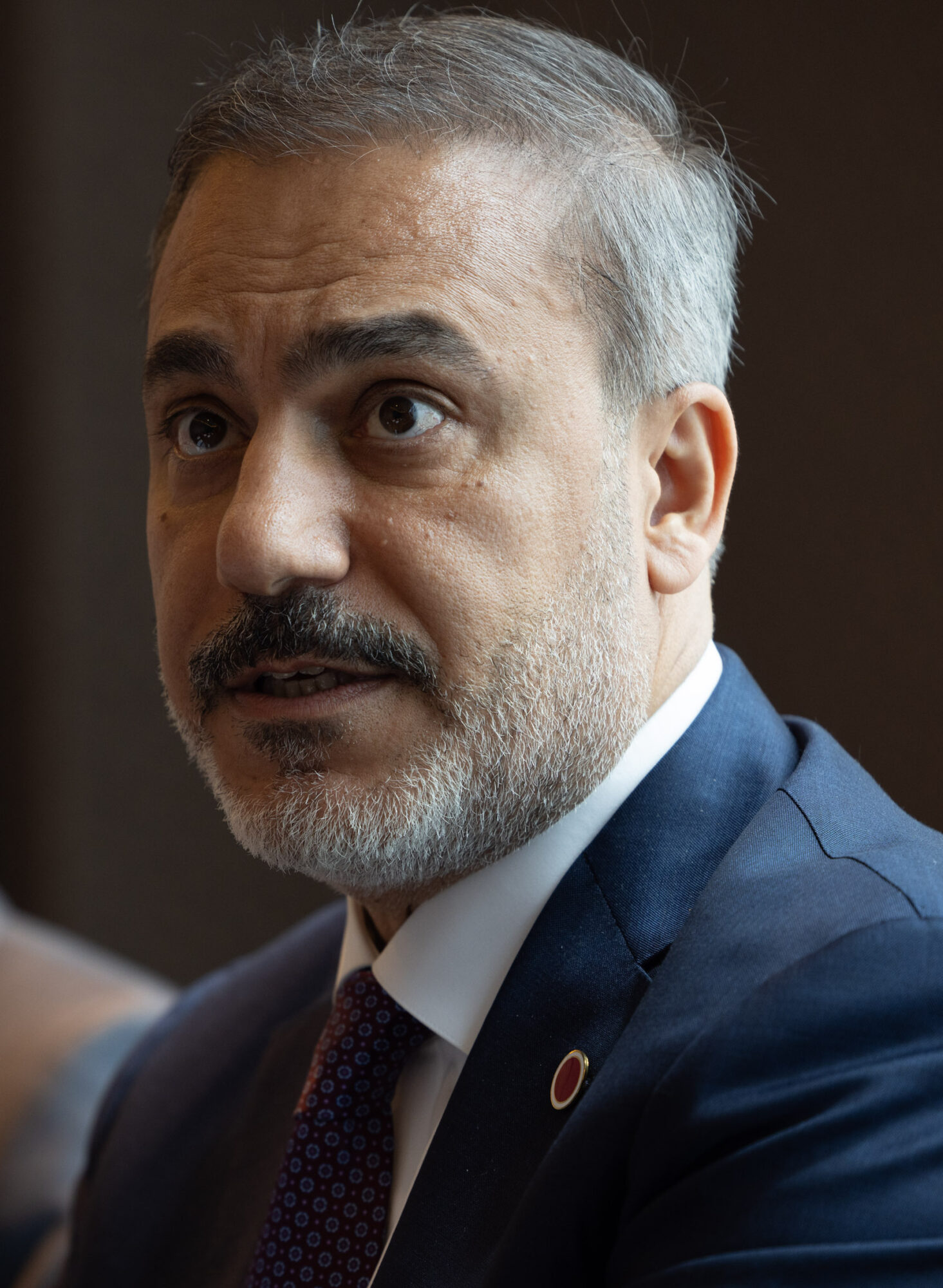
Turkish Foreign Minister Hakan Fidan said none of the participating countries had approved a further military attack on Iran, and that diplomacy and dialogue were the only way to end the war, Al Jazeera reported.
French Foreign Minister Jean-Noël Barrot said further escalation “would create nothing but losers” and urged both sides to show restraint. Italy’s Antonio Tajani said the aim was de-escalation to protect freedom of navigation, that the problem could not be solved by military means, and, in Al Jazeera’s words, that dialogue was needed to reopen the Strait of Hormuz.
According to the same report, the R4 group issued a separate joint statement calling for the full resumption of secure passage through the strait.
The US Context
The meeting took place against warnings from Washington. Al Jazeera said US Ambassador to Türkiye Tom Barrack told a podcast that the United States could “absolutely” strike Iran this weekend. He added, according to the report, that President Donald Trump is open to a deal, and that any American action would not aim at regime change but at rebalancing so that there are no hostages or threats. These remarks are Mr Barrack’s as relayed by Al Jazeera; this article has not seen a formal US government statement on the matter.
Why It Matters
The gathering is notable for who was in the room. It brought together European states and regional powers that do not always share positions, and it did so in a single venue as shipping through the Strait of Hormuz remains a concern for energy and trade. The public messages from Istanbul were consistent: negotiation over force. Whether that convergence can influence decisions in Washington or Tehran is uncertain, and the ministers’ statements amount to appeals rather than binding commitments. Still, the meeting offers a snapshot of how middle powers are trying to shape a conflict they cannot control, and it will be watched for any follow-up format or joint position in the days ahead.
Leave a Reply