
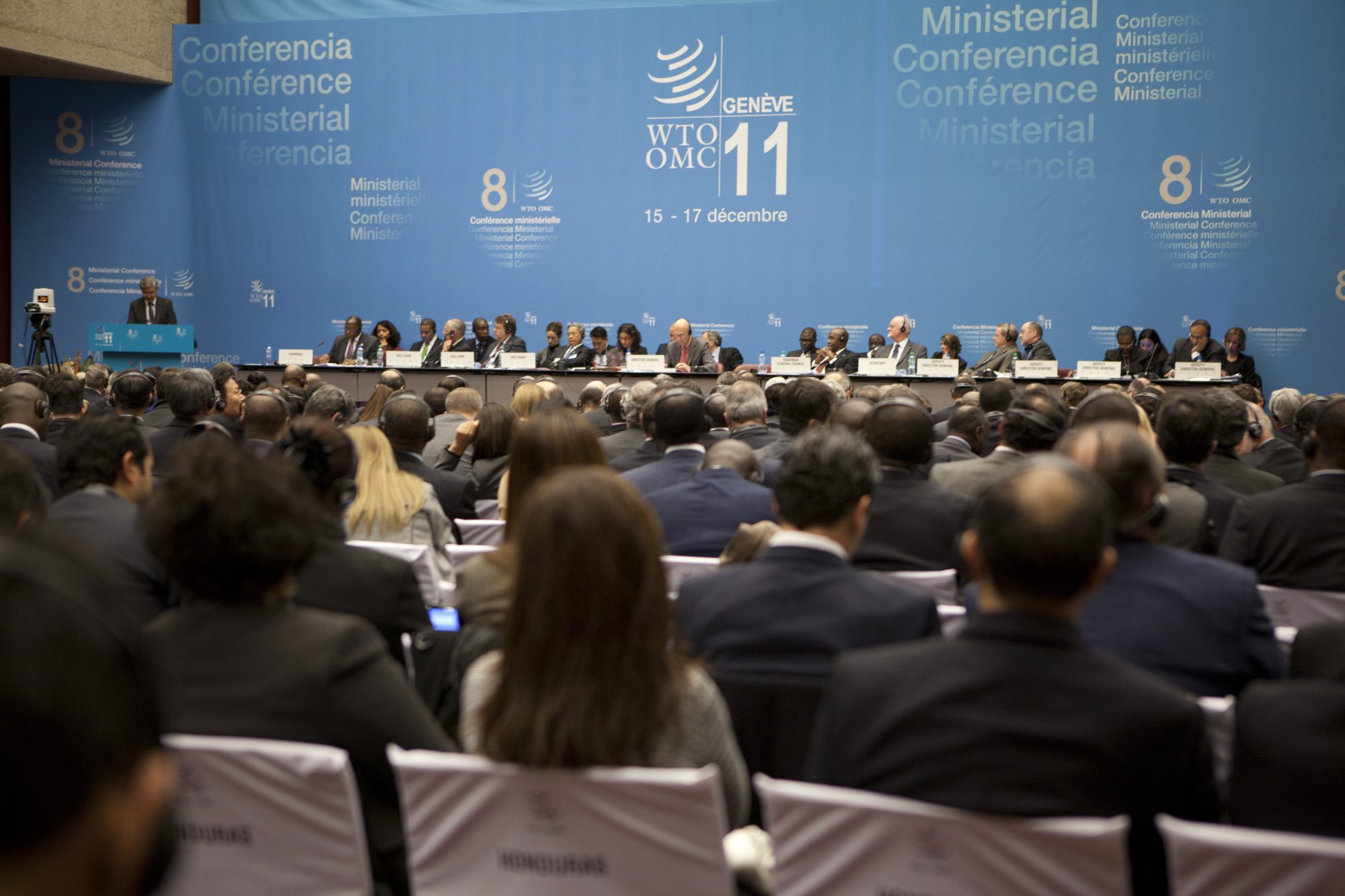
World Trade Organization members met in Geneva on 23 October 2026 for a transparency session on reform of the organisation. According to the WTO’s account of the meeting, members welcomed progress and noted a clear shift towards more substantive and focused discussions. General Council Chair Ambassador Clare Kelly asked delegations how to achieve further progress and move into the next phase of interactive, substantive discussions.
How Members Want to Proceed
The WTO said several members supported moving from broad tracks to thematic, issue-based discussions allowing a more detailed look at specific topics, provided the choice of themes stays member-driven, transparent and balanced. Several delegations proposed mapping or stocktaking exercises to identify areas of agreement across the four reform tracks. Members generally welcomed efforts to streamline meetings, citing the constraints faced by smaller delegations, and asked for facilitator reports, guiding questions and meeting documents to be circulated in good time so they can consult their capitals. There was also support for small group consultations alongside plenary meetings, if they remain transparent and representative.
Members asked for a clearer roadmap towards the 15th Ministerial Conference (MC15). The WTO said the prevailing view was that substance should drive both the pace of the work and the eventual form of any outcomes.
What the Four Tracks Covered
Facilitators reported on each track in October. On decision-making, members discussed proposals from China, India and the United Kingdom on flexibilities for members with differing capacities and on the role of plurilateral initiatives. On foundational issues, they considered proposals from the ACP Group, the African Group, China, Japan, the Least Developed Countries Group, the United Kingdom and the United States. The WTO said views differed on whether existing rules should be revisited, how the organisation should respond to changes in the global economy and the role of development, and that some members identified non-market policies and practices, and excess capacity, as contributing to current challenges.
On development, the facilitator held small group consultations to identify recurring themes. On the level playing field, the session considered submissions from Australia and Paraguay, heard a Secretariat presentation on members’ notifications and continued discussing transparency, notifications and compliance. The WTO also said Peru’s ambassador, Schialer Salcedo, who facilitates that track, is leaving Geneva for a new posting and will be replaced by Kazakhstan’s ambassador, Kairat Torebayev.
Further reform meetings are scheduled for the week of 9 November and for 16 November, and a transparency session is envisaged for 9 December.
Why It Matters
The WTO’s account records no decisions on substance, and it makes clear that members still differ on basic questions such as whether existing rules should be revisited. In our view, the session was mainly about process: how topics are chosen, who gets a voice in small groups and how smaller delegations can keep pace. Those questions matter because the way talks are organised can shape which proposals advance towards MC15. Readers should treat the reform discussions as continuing work rather than an agreed outcome.



Leave a Reply