

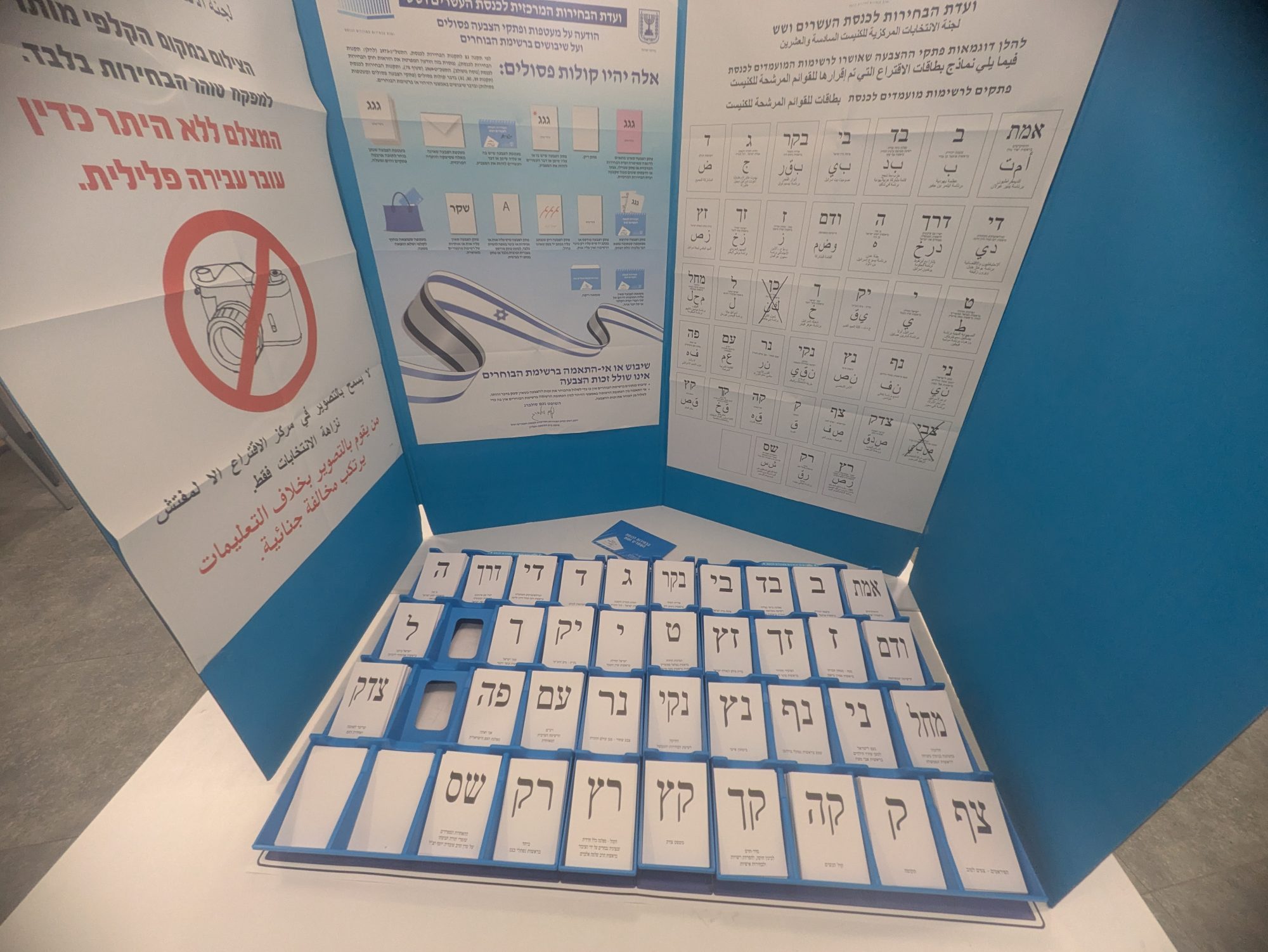
Israelis voted on Tuesday 27 October 2026 in an election for the 120-member Knesset. According to Al Jazeera, citing Israel’s Central Elections Committee, almost 45 per cent of voters had cast ballots by 2pm local time (12:00 GMT). Al Jazeera describes that as the highest turnout for that hour in 50 years and six percentage points above the same point in the 2022 election. These are interim figures; no results had been reported in either of the sources used for this article when they were published.
Voting Day
Euronews says about 7.3 million people are eligible to vote, with hundreds of thousands voting for the first time, and that polls close at 22:00 local time. It reports that final results could take days and that coalition talks could last weeks or even months, since no party is expected to reach the 61 seats needed for a majority.
The two main contenders, according to Euronews, are Prime Minister Benjamin Netanyahu, 77, who is campaigning on his security record and his close relationship with US President Donald Trump, and Gadi Eisenkot, 66, a former military chief and political newcomer who leads the Yashar party and has pledged an independent state inquiry into the security failures surrounding the 7 October attack. Euronews says final surveys showed the two roughly even. Al Jazeera quotes Mr Netanyahu, speaking to his own supporters, urging them to vote, saying: “This is a fateful moment.” It reports that he said turnout was high among his opponents on the left and among Palestinian citizens of Israel.
Pollster Mitchell Barak, whom Al Jazeera describes as a former Netanyahu aide, said turnout “is really high and that’s good”, and predicted it would “probably pass its historic peak in ’73”. Ahmed Tibi, a Palestinian candidate, said Palestinian citizens of Israel were voting in “unprecedented” numbers. Euronews says Arab-majority parties, representing around 21 per cent of the population, could be kingmakers in a tight result, and that neither leading candidate has publicly said he would partner with them.
Complaints and Explanations
Al Jazeera reports that the Association for Civil Rights in Israel filed a complaint with the Central Elections Committee, citing delays in at least 18 communities and asking it to investigate “whether these delays are deliberate”. The group also raised concerns about the large presence of police and National Guard officers at a polling station in the Negev Desert, which it said could be used to keep people from voting. Israeli officials attributed long queues at several stations to high turnout, despite rain and a flood warning in some areas, the report says.
Why It Matters
Turnout figures do not say who will win, and in our view the early numbers should be treated with caution until the committee publishes counted results. Still, a high turnout by 2pm in a race that Euronews describes as on a knife-edge is not in itself a sign of who will win; the count and any coalition talks that follow will decide the outcome. The complaints about delays are claims from a civil-rights group that the committee has yet to answer in the reports seen.



Leave a Reply