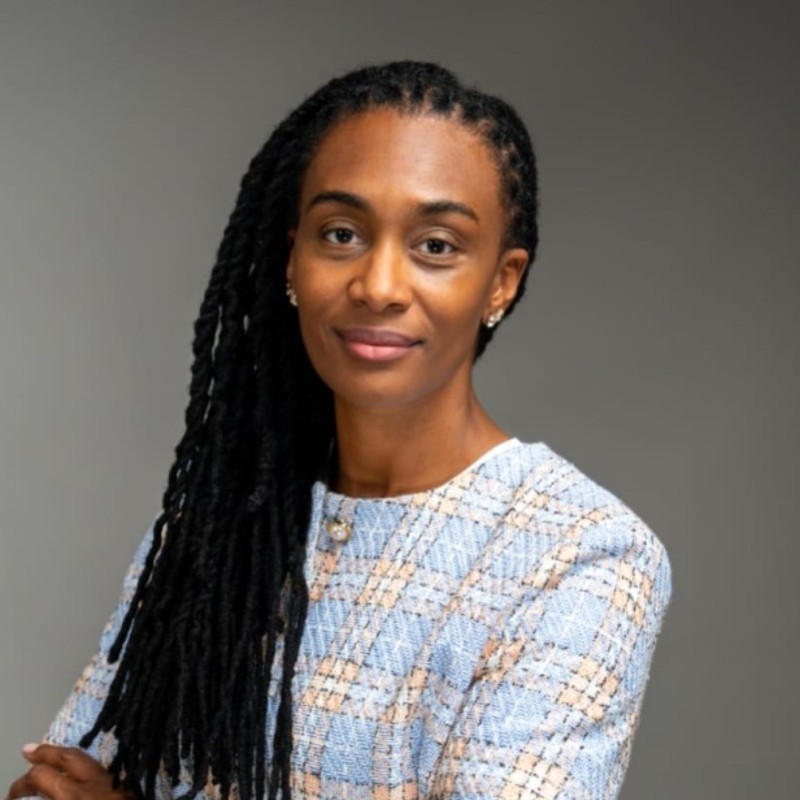
Louise Pyne-Jones is the Founder and Principal of Jusoor, a UAE-based strategic advisory platform working at the intersection of cultural diplomacy, social impact, strategic philanthropy, creative economy development and global identity.
With over 15 years of leadership experience across the UK, MENA and international nonprofit sectors, Louise has led high-impact programmes, policy initiatives, research, fundraising and governance work across human rights, peacebuilding, education, interfaith engagement and social integration. Her career has included senior roles in programme and policy leadership, trustee governance, international advocacy, DEI strategy and stakeholder engagement with governments, NGOs, donors and multilateral institutions.
Through Jusoor, Louise brings this experience into a future-facing platform rooted in cultural intelligence, impact and connection. Her work focuses on helping institutions, foundations, creative leaders and corporate partners build meaningful strategies, partnerships and programmes that reflect the Gulf’s growing role in shaping global narratives, social value and creative soft power.
Leadership is not only about being seen; it is about building bridges that allow others to be seen, heard and valued too.
You’ve worked across UK policy circles, the UN and now the Gulf’s creative economy. What has that journey looked like?
My leadership journey has been shaped by connection, resilience and a belief that meaningful change happens when different worlds are brought into conversation with one another.
I began my career in education and international relations before moving into policy, advocacy, research, governance and global programmes across nonprofit and international affairs sectors. Over the past 15 years, I have led teams, managed major funding portfolios, designed programmes, advised stakeholders, chaired panels and represented organisations in international policy spaces including the United Nations, European Parliament and global forums.
My journey has also been deeply personal. As a Black British Muslim woman building a platform in the UAE, my identity has given me a unique lens on belonging, culture, power and representation. Founding JUSOOR feels like the natural culmination: a space where strategic leadership, cultural intelligence, social impact and creative diplomacy come together to build bridges across communities, sectors and regions.
What impact are you proudest of through Jusoor?
Across my career, my impact has centred on building bridges between people, institutions and ideas that may not otherwise meet. I have led and supported programmes across human rights, peacebuilding, citizenship rights, interfaith dialogue, education, social integration and policy advocacy, including managing major programmes, securing funding, developing strategy and building cross-sector partnerships.
In previous roles, I helped organisations strengthen their direction, improve efficiency, embed inclusive practice and engage more effectively with governments, donors and communities. I have also contributed to international advocacy spaces, including the United Nations and European Parliament, ensuring that human stories remain central to policy conversations.
Through Jusoor, my impact is now focused on supporting institutions, foundations, companies and cultural leaders to create work that is strategically strong, culturally intelligent and socially meaningful, particularly within the Gulf and the wider global majority, where new models of partnership, dignity, creativity and influence are emerging.
What’s the achievement that means most to you?
My biggest achievement to date is founding Jusoor and having the courage to build a platform that brings together the many strands of my life and career into one clear vision. Before Jusoor, my work spanned international policy, human rights, education, governance, interfaith relations, advocacy, DEI, fundraising and programme leadership. For many years, these experiences felt connected, but not yet fully integrated.
Jusoor has allowed me to shape them into a platform rooted in culture, identity, philanthropy, creativity and social impact as interconnected forces for change. A major milestone has been entering into a strategic partnership with the Creative Economy Forum to support its regional expansion into the GCC, connecting global leaders, creative communities, institutions and partners around cultural diplomacy, creative soft power and meaningful impact.
More personally, this achievement represents resilience, integrity and faith — turning lived experience, professional expertise and reinvention into something purposeful and future-facing.
What makes your leadership distinct in cultural diplomacy?
What makes my leadership impact meaningful is the combination of professional breadth, lived experience and cultural perspective I bring to my work. My career has crossed education, human rights, international policy, interfaith relations, governance, social impact, philanthropy, advocacy and now the creative economy. This range allows me to see connections that are often missed, moving between policy and community, strategy and story, institutions and cultural nuance.
As a Black British Muslim woman living and working in the UAE, I carry a layered understanding of belonging, migration, faith, representation and global identity. Through Jusoor, I am using that perspective to support a more connected and dignified model of impact – one that recognises the Gulf and the global majority as creators, leaders, funders, innovators and cultural forces shaping the future.
My leadership is both strategic and deeply human, rooted in bridge-building across difference.
What advice would you give future women leaders?
My advice to future women leaders is to stop waiting for permission to become the person you already know you are capable of being. Women often spend years gathering experience, proving themselves, over-delivering and waiting to feel ready. But leadership is not always about perfect certainty; it is about trusting what you have lived, learned, survived and built, and allowing that to become part of your authority.
I would encourage women to honour the complexity of their identity. You do not need to separate your personal story from your professional leadership. Your culture, faith, family responsibilities, reinventions, challenges, creativity and resilience can all become part of the wisdom you lead from.
The world does not need more women trying to lead like someone else. It needs women who are clear, courageous and grounded enough to lead as themselves, while opening doors for others.