

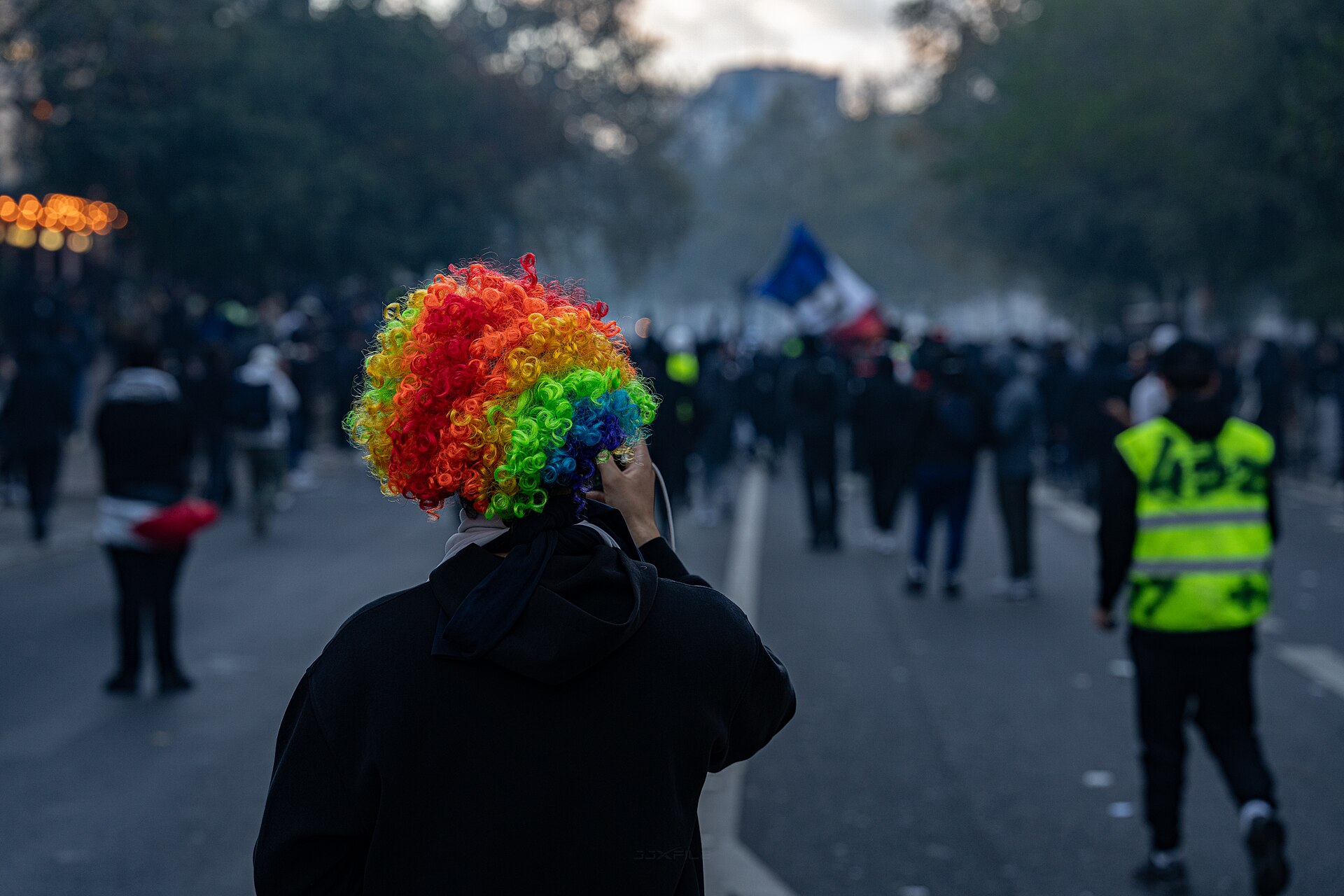
French Prime Minister Sébastien Lecornu on Monday 19 October asked regional authorities to impose “partial” and “localised” curfews in some cities after a weekend of nationwide protests that, according to Al Jazeera, turned violent. President Emmanuel Macron also declined an offer of resignation from Interior Minister Laurent Nuñez.
The Curfews
Al Jazeera reports that the measures cover Lille and three nearby communes, from 8pm to 6am on Monday and Tuesday nights, and parts of central Paris, including the Place de la République and streets around Les Halles, from 11pm on Monday to 6am on Tuesday. Lecornu said a curfew across all of Paris was out of the question and that a state of emergency could be declared if needed, though he judged partial curfews more appropriate for now.
The Weekend and the Government’s Response
The outlet, which cites AFP and Reuters, says more than half a million people took part in demonstrations on Saturday, among them students demanding better conditions in schools and residents protesting the cost of living and strained public services. It reports looting, arson and damage in many cities, including attacks on town halls and police stations. According to figures it attributes to officials, Nuñez estimated that 60,000 law enforcement personnel were deployed on Saturday, and the Interior Ministry said more than 2,300 people were arrested and almost 1,000 police and gendarmes injured in that day’s protests. Justice Minister Gérald Darmanin put the number taken into police custody over the weekend at more than 2,330. Al Jazeera adds that one demonstrator lost a hand to a police crowd-control grenade.
Nuñez acknowledged that police “lost control” during Saturday’s protests and that there had been a lack of anticipation in deploying forces, the report says. He offered to resign; according to the Élysée Palace, Macron declined, saying the minister should stay to preserve the chain of command, and asked him to devise new methods for dealing with looters and to be transparent about planning and intelligence failures. Mayors of France’s largest cities have demanded answers about preparations, according to the report.
Al Jazeera describes the unrest as following weeks of high-school student protests over crowded classrooms, teacher shortages and underinvestment, and says the yellow vest movement, which led fuel-price protests in 2018 to 2020, has called for a new round of protests on Saturday, citing France24.
Why It Matters
The disturbances come roughly six months before France’s next presidential election, against a backdrop of a weak economy and rising public debt, as Al Jazeera notes. How the government balances public order with the grievances behind the protests, and whether it can answer the questions on policing and preparation raised by mayors, will shape the political climate heading into that vote. The confirmed facts remain limited to official statements and reported figures; full accounts of the weekend’s events are likely to emerge in the coming days.
Leave a Reply