
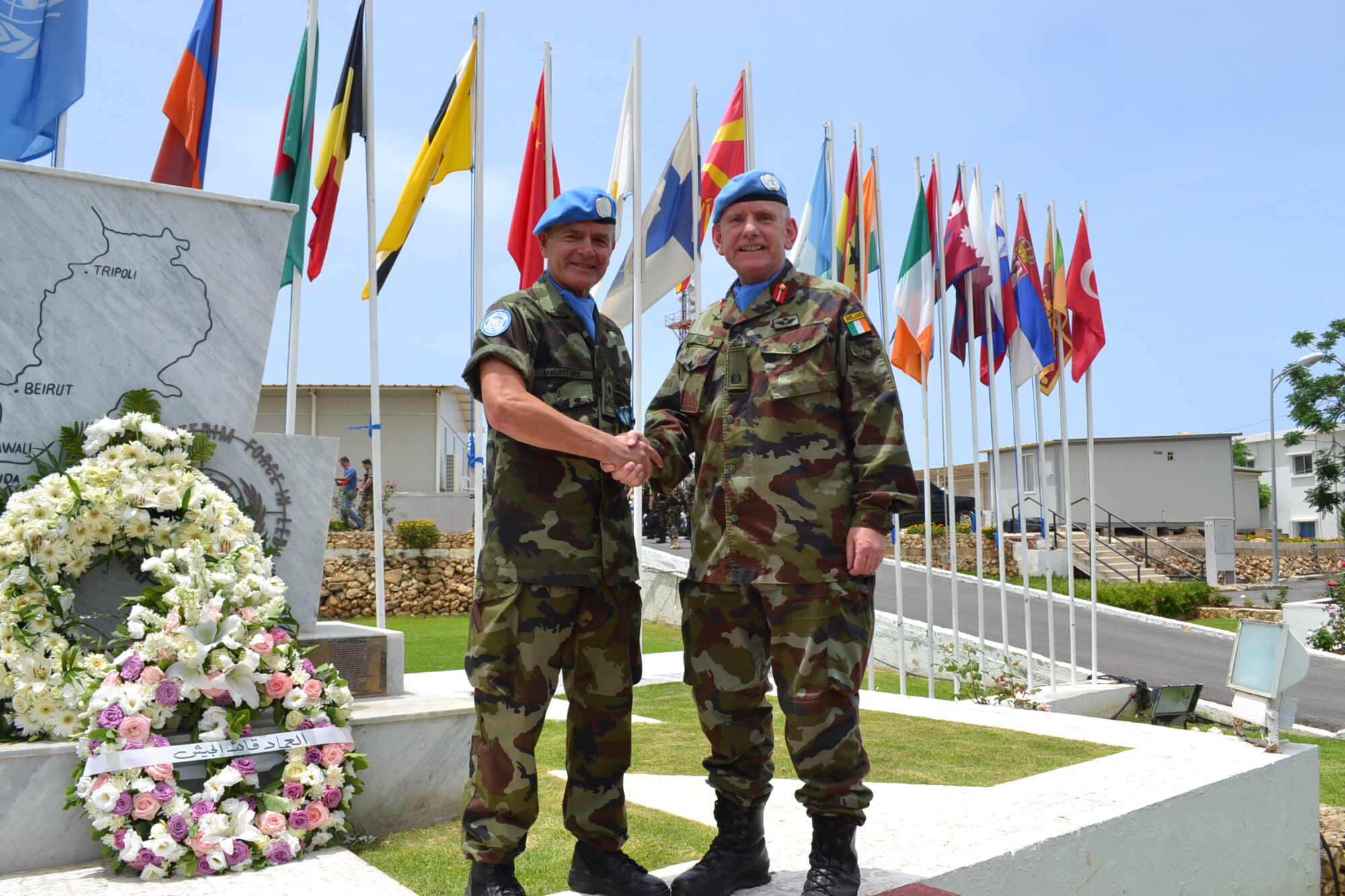
EU foreign ministers agreed on Monday 12 October to set up a civilian and military mission in Lebanon as the UN peacekeeping force there nears the end of its mandate, Euronews reports.
The decision sketches what a European security presence could look like once the UN Interim Force in Lebanon (UNIFIL), whose mandate expires at the end of 2026, leaves. EU officials insist the mission is not meant to replace UNIFIL but to strengthen Lebanon’s own security capabilities. EU foreign policy chief Kaja Kallas said she hoped it would be “ready to work on the ground already, in a couple of months”.
A Smaller Footprint, Away From the South
According to Euronews, the mission will focus on border and maritime security, counter-drone operations and the training of Lebanese security forces. France’s Minister for Europe and Foreign Affairs, Jean-Noël Barrot, said it would carry out its tasks over up to three years.
The scale is modest. Brussels is considering around 150 personnel, compared with roughly 7,500 peacekeepers currently serving with UNIFIL, the report says. The mission is expected to operate under the EU’s Common Security and Defence Policy, with voluntary contributions of personnel and equipment from member states. Unlike UNIFIL, it will not be deployed in the south, where Euronews notes Israel is continuing its military campaign against the Iran-backed Hezbollah group.
Who Goes, and Who Leads
The precise mandate, staffing and command structure have yet to be finalised, and it is unclear which countries will take part. Several existing UNIFIL contributors, among them Italy, France, Spain, Ireland, Germany, Austria, Finland and Poland, have expressed interest in keeping a presence in Lebanon. One proposal under discussion would rotate leadership between Italy, France and Spain.
Ireland, which holds the rotating presidency of the Council of the EU, has signalled it intends to take part, though its role in the military mission could be complicated by reforms to the legal framework for deploying Irish troops overseas. In June, the report recalls, French President Emmanuel Macron and Italian Prime Minister Giorgia Meloni announced a joint international coalition to support Lebanon after UNIFIL’s withdrawal; it is not yet clear whether that will run separately or be folded into the EU mission.
Positions on UNIFIL’s Exit
Lebanese President Joseph Aoun has called for the UN operation’s mandate to be extended, according to Euronews. The report says Israel has long criticised UNIFIL as ineffective in containing Hezbollah, while the United States has also questioned its role and favours a security arrangement directly between Israel and Lebanon. Kallas said the new mission is welcomed by the local authorities.
Why It Matters
The agreement shows the EU preparing to stay engaged in Lebanon’s security after UNIFIL, but on a far smaller scale and without a presence in the south. What to watch next is whether member states commit personnel, how the command is settled, and how the mission fits alongside the Franco-Italian coalition. Euronews says the mission could deploy within months.

Leave a Reply