
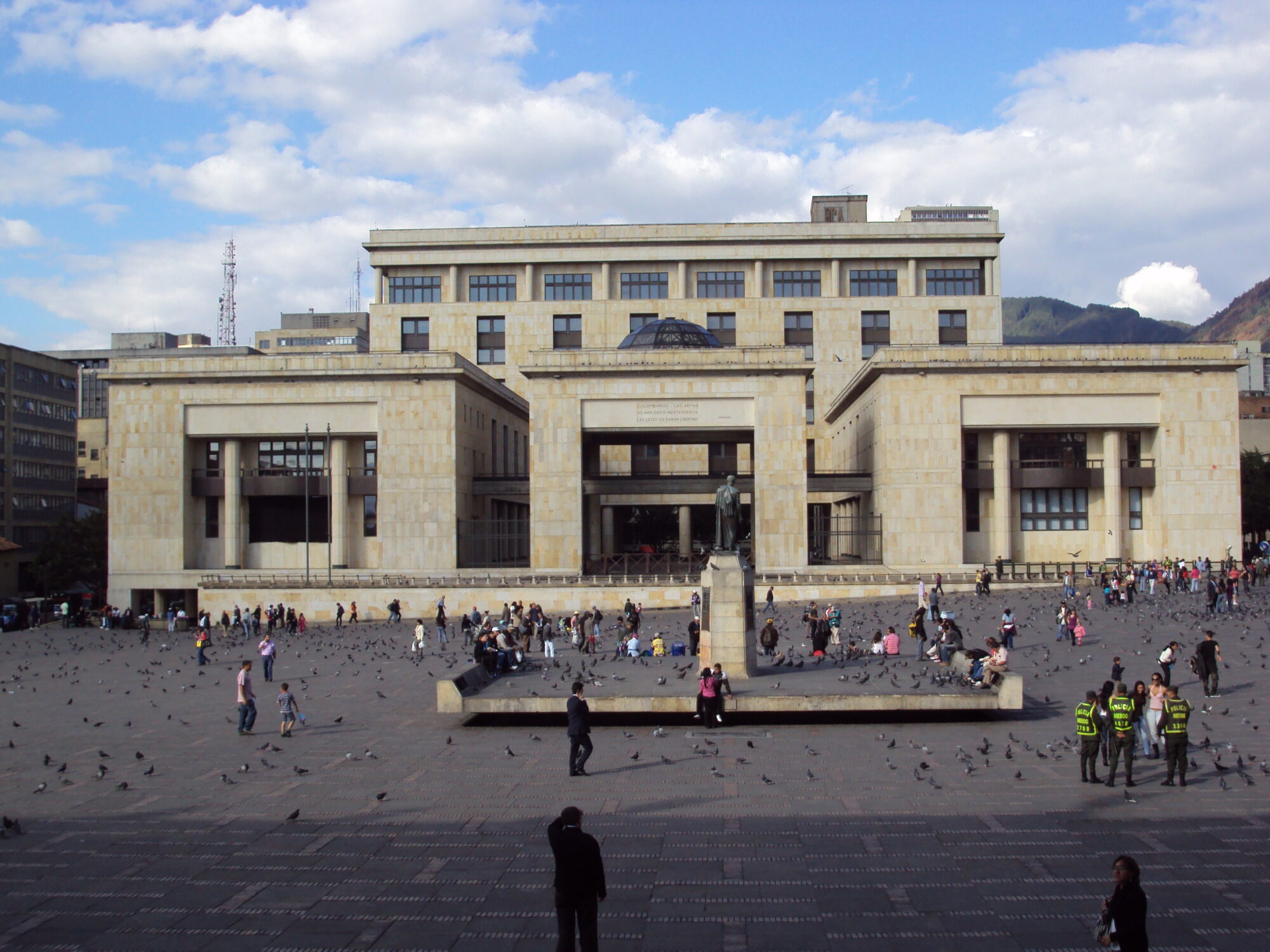
Illegal armed groups in Colombia have grown from around 15,000 members in 2022 to approximately 28,000 today, according to government data presented to legislators and cited by UN News on Monday 12 October 2026.
The figure appears in UN News’s account of a briefing to the UN Security Council by Miroslav Jenča, whom it describes as the organisation’s top official in Colombia. He told ambassadors that the 2016 peace accord, signed nearly ten years ago to end a decades-long insurgency, must be implemented in full, with proper funding, better coordination between institutions and protection for former combatants.
Gains, and Admitted Shortcomings
Jenča pointed to real progress, UN News reports: rural development, and mechanisms for transitional justice and reparation for victims. He also acknowledged that implementation has had “many shortcomings” and that much remains to be done.
More than 11,000 former members of the FARC-EP rebel group remain committed to reintegration, according to the briefing. With State and international support they have developed around 6,000 productive projects and 300 cooperatives in sectors including agriculture, tourism, trade and textiles. Jenča highlighted tourism initiatives involving former combatants and victims. Economic sustainability and security remain significant challenges, however: 501 former combatants have been killed since the agreement was signed in 2016, most recently on 22 September in Cesar.
Violence in the Regions
Communities in conflict-affected regions remain exposed to armed groups, geographical isolation and limited public services, UN News reports. Ambassadors heard that child recruitment, particularly among ethnic communities, and threats and attacks against women remain major concerns. Jenča also condemned the killings of civil society leaders María Ovidia Palechor and James Flor in Cauca on 1 September.
His prescription, as reported, was to expand economic opportunities, improve public services and strengthen local institutions. He said security policy and the peace agreement should reinforce each other, and that the UN stands ready to support the government as it further defines its policies.
A New Political Chapter
Jenča said Colombia had entered a new political chapter with wide-ranging challenges ahead, and called for sustained international engagement. He offered the experience the UN Verification Mission has built over almost a decade of supporting implementation, and said it had developed relationships of trust in some of the regions most affected by continuing violence.
Why It Matters
The briefing sets two sets of numbers side by side: thousands of former fighters still committed to civilian life, and a government-reported near doubling of illegal armed groups. For a peace process the UN has supported for almost a decade, the question is whether funding, protection for former combatants and public services reach the areas where violence is concentrated. The UN News report does not describe any decision by the Council on Monday; the next steps will depend on how Colombia’s government defines its security policy.

Leave a Reply