

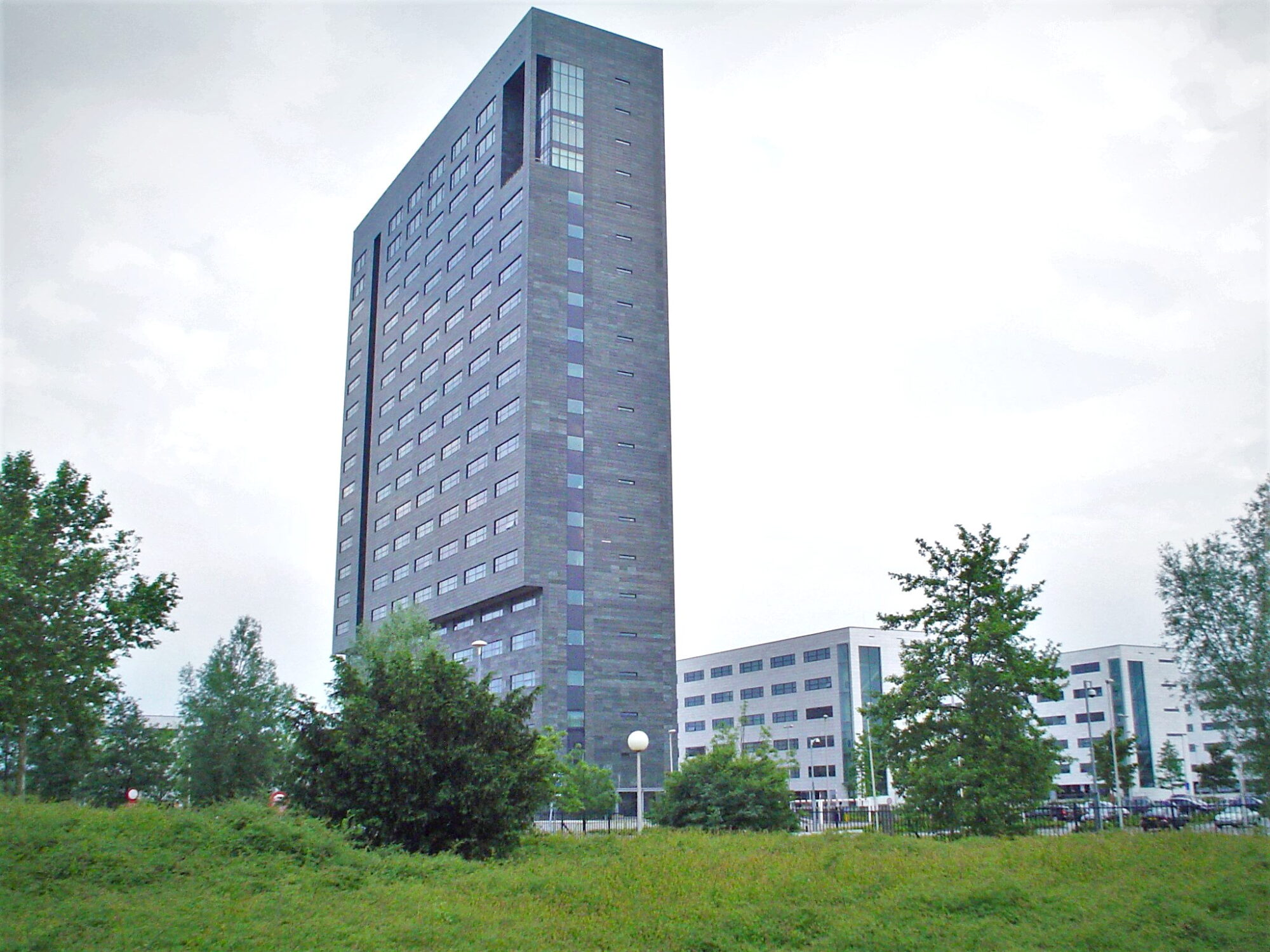
ASML, the Dutch maker of the lithography machines used to manufacture advanced computer chips, reported third-quarter results on 14 October 2026 that pointed to rising demand from its customers. According to the company’s results release, total net sales for the quarter were €11.7 billion (€11,662 million), the gross margin was 57.5% and net income was €5.0 billion (€4,960 million).
Guidance and Capital Returns
Looking ahead, ASML said it expects fourth-quarter net sales of between €14.2 billion and €15.2 billion, with a gross margin of around 57%. For the full year 2026, the company is guiding to total net sales of €44 billion to €45 billion and a gross margin of about 56%. It also said research and development costs should be around €1.2 billion in the fourth quarter, with selling, general and administrative costs of about €0.4 billion.
On shareholder returns, ASML said it bought back around €4.1 billion of its own shares during the quarter under its 2026–2028 buyback programme. An interim dividend of €1.88 per ordinary share is payable on 4 November 2026, according to the release.
Demand Running Ahead of Supply
The more striking part of the statement concerned the outlook beyond this year. Chief executive Christophe Fouquet said customers “continue to increase their short- and medium-term equipment demand forecasts”, and that some were expressing interest in placing orders for 2029 and even 2030. The company links the shift mainly to expected investment in artificial intelligence.
ASML said it now expects its planned supply for 2027 and 2028 to fall short of what customers want. As a result, it is studying ways to add production capacity in 2028 on top of the 30% increase it had previously announced. The release does not give a net bookings figure for the quarter, and it does not discuss China.
Why It Matters
ASML sits at a narrow point in the chip supply chain: its machines are an input to nearly every advanced processor, so its order book is widely read as an early indicator of how much capacity chipmakers plan to build. A company that says it cannot yet meet demand two years out is signalling that customers’ spending plans remain strong, at least for now. For governments and manufacturers alike, it also underlines how much of the AI build-out depends on a small number of specialised suppliers, and how long it takes to expand their output.


Leave a Reply